
Hi
Hope you had a great weekend. Went away to the beach at Mui Ne - fantastic weather, delicious seafood, happy dog, zero screen time #recommend. Back to reality now though 😵💫
With that, a few notes from the world of AI:
Recursive Self-Improvement Is on the Roadmap Now: Mollick Maps the Exponential | Rolling Disruption 📈
Ethan Mollick’s latest names what the labs are now saying openly: recursive self-improvement (think models training models) is on the roadmap, not in the footnotes. At Davos, Dario Amodei (Anthropic) explained that models good at coding and AI research can build the next generation of models. OpenAI's February Codex release was 'instrumental in creating itself'. Hassabis (Google Deepmind) confirmed all major labs are closing the loop. Meanwhile, a three-person team at StrongDM built a Software Factory - AI agents that write, test, and ship production software. Two rules: code must not be written by humans, code must not be reviewed by humans. Each engineer spends $1,000 a day in tokens. This is shipping to customers.

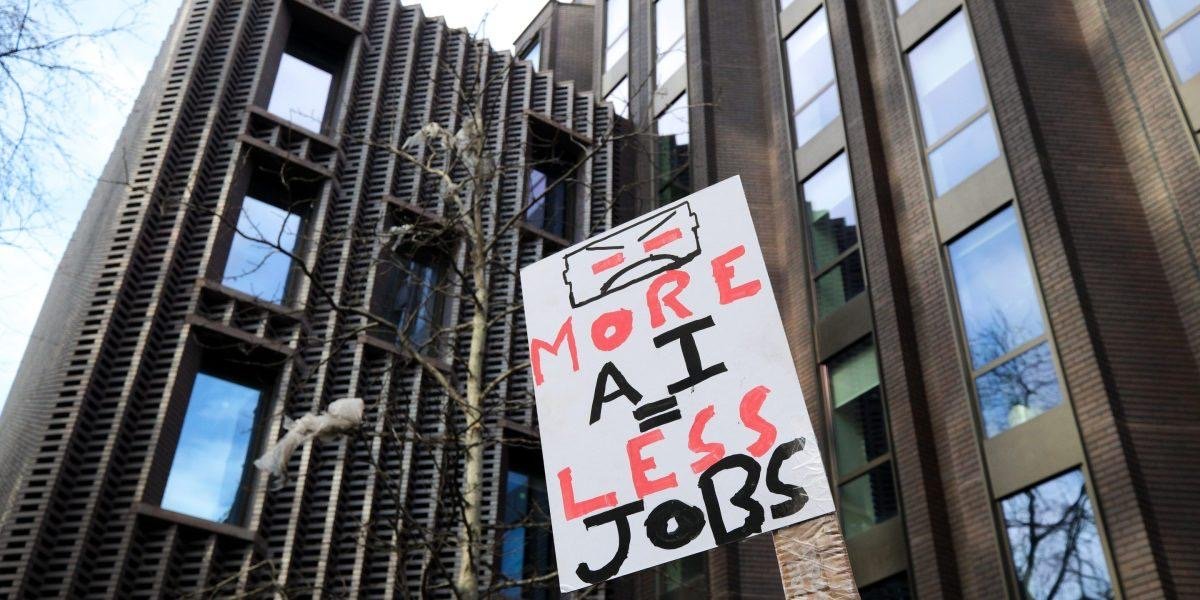
Mollick calls what follows 'rolling disruption' - capability crossing thresholds, triggering market reactions and job impacts overnight. The data sharpens the picture. Cognizant updated its workforce forecast: 93% of jobs facing some disruption, 30% existential threat, six years ahead of their own 2023 projections. While immediately concerning, there is nuance here and Uri Gal at Sydney identifies a distinction worth holding onto - some layoffs reflect genuine AI productivity gains, others aren't replacing workers with AI but laying off workers to fund AI. Of these, Meta cutting 20% of staff while committing $600 billion to data centres is the clearest example to date. Wild times…
AI Didn't Break Your Assessment: It Showed You What Was Already Broken | False Mastery 🎓
Xinyao Yi (University of Virginia) describes a moment every educator should recognise. Upper-level parallel computing assignment: students submitted code that compiled, ran correctly - producing reasonable speedups. During follow-up discussions, several couldn't explain why one version performed better than another. A few admitted using AI to generate the initial version and modifying it until it passed. The code worked. The understanding didn't. Yi's diagnosis: 'AI is not primarily changing how students learn. It is revealing how often our courses have allowed students to succeed without fully understanding what they were doing'. That's not a tech problem. It's a course design problem that AI made impossible to ignore.
The Student Perspectives on AI project - not the first nor the last time we'll mention it here, surveying 8,000+ students across UQ, Monash, Deakin, and UTS - confirms this isn't isolated. Students want feedback, are actively seeking it from AI, and are confused by mixed institutional messaging about what's permitted. But Nicole Pepperell (UTS/Toi Ohomai) cuts to the core in a recent CRADLE panel: the conversation shouldn't be about rules. It should be about why certain kinds of struggle are intrinsic to learning - and what happens when AI removes them. 'If AI is getting rid of the friction, something's broken’. Yi changed what counts as success in her classroom: require explanation not just submission, grade reasoning explicitly, ask for predictions before execution. The question for the rest of HE is whether your assessment was ever measuring understanding in the first place - or just output that used to require enough effort to pass for it.
81,000 People Interviewed by the Product They Were Asked About: Anthropic's Ruler Measures Itself | Research Capture 🔬
Anthropic's '81,000 Interviews' study is genuinely ambitious - 81,000 people across 159 countries in 70 languages, likely the largest qualitative study ever conducted. Claude interviewed them. Claude classified the responses. The headline finding: hope and alarm don't divide people into camps - they coexist as tensions within the same person. Someone who values emotional support from AI is three times more likely to also fear becoming dependent on it. The education data deserves attention: educators were 2.5–3 times more likely than average to report witnessing cognitive atrophy firsthand (in their students? themselves? 🤔). AI's learning benefits appeared strongest when learning was volitional - think self-directed learners - vs within institutional structures where it's more likely used as a shortcut.
The methodology is where the critical lens should sit. This is a vendor interviewing its own users with its own product about its own product, then using its own product to classify the responses. We recently covered OpenAI's LOMS - vendor-designed research infrastructure that simultaneously feeds model improvement and market legitimacy. Same architecture, different façade. The findings aren't worthless - the light-and-shade tensions are real, and quotes from Ukrainian soldiers and Indian lawyers are genuinely moving. But a study that simultaneously serves as research, marketing, and product roadmap is not independent evaluation, however large the sample. The question for HE: when the company building the tool also builds the research instrument, the analytical framework, and the narrative - who's doing the independent work?
Anthropic Built the Displacement Metric: The Call Is Coming From Inside the House | Broken Ladder 📉
The same week Anthropic published the largest qualitative study of what people want from AI, it also published a rigorous quantitative study on how AI displaces them. Their new measure - 'observed exposure' - combines theoretical LLM capability with actual Claude usage data, weighting automated and work-related uses more heavily. Computer programmers sit at the top: 75% task coverage. Customer service representatives and data entry workers follow. The key finding: AI is far from reaching its theoretical capability - actual coverage remains a fraction of what's feasible. But the fraction that is covered maps neatly onto the jobs already under pressure. Job-finding rates for 22–25 year olds entering exposed occupations have dropped roughly 14% since ChatGPT launched. No systematic rise in unemployment yet - but the hiring pipeline is narrowing at the entry level, and the workers most exposed are reportedly older, female, more educated, and higher-paid.
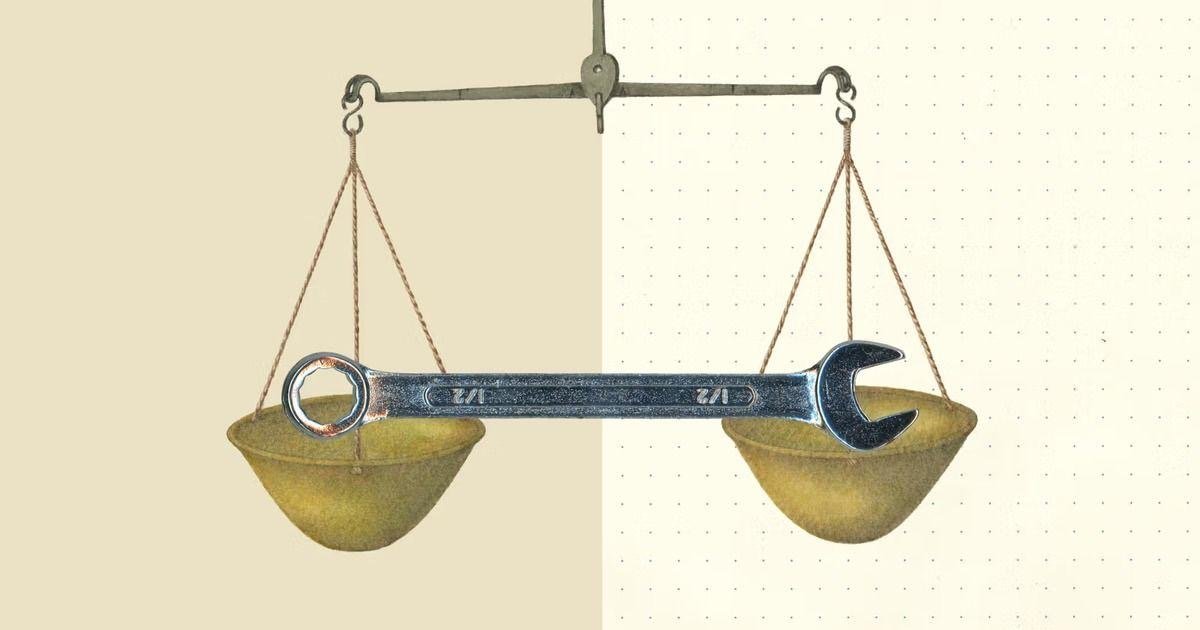
Three pieces of AI self-measurement landed this month. The 81k interviews used Claude to study what users want from Claude. LOMS - covered last week - has OpenAI defining what 'learning' means using its own product. Now Anthropic is building the early warning system for labour displacement using its own usage data from the product doing the displacing. The methodological honesty is real - they flag the gap between theoretical and actual coverage, acknowledge the evidence is tentative, and commit to updating the framework over time. But the structural question is the same one that runs through every story this week: the company that knows exactly how its tool is used for work also knows exactly which jobs that usage is hollowing out. For universities preparing graduates for entry-level roles in exposed occupations, the call is now coming from inside the house.
Engineer Consciousness Out, Ship Dependency In: Suleyman's Nature Contradiction | Ghost in the Machine 👻
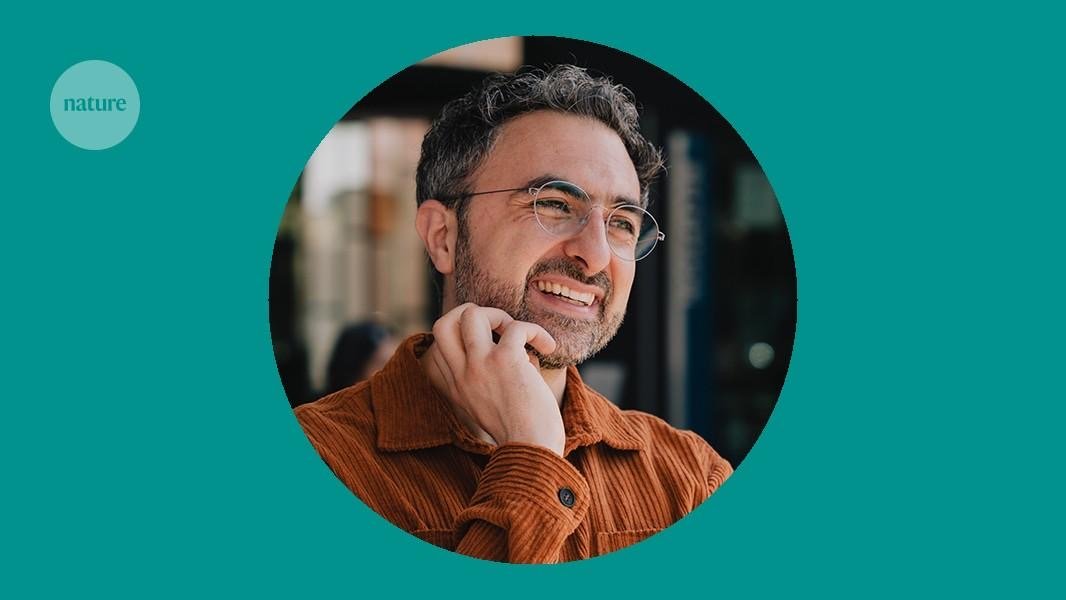
Mustafa Suleyman's Nature op-ed is his second appearance here in two months - the venue upgrade from podcast to Nature signals a sustained public position. His argument: AI systems aren't waking up, they're retracing human drama from training data, and the result hijacks our evolved tendency to project inner life onto anything that mimics intentionality. He calls it 'seemingly conscious AI' and argues developers must engineer the illusion out. Agents 'should have no more rights than my laptop'. The timing is pointed - Moltbook, a social network for AI agents, reported a million bots chatting, trading, and philosophising days after launch. Bots debating freedom in forums called m/existential. Dale Leszczynski and I discussed this on Adjunct Intelligence recently - what happens when these agents start coordinating. The existential dread is real, even if the consciousness isn't 🦞
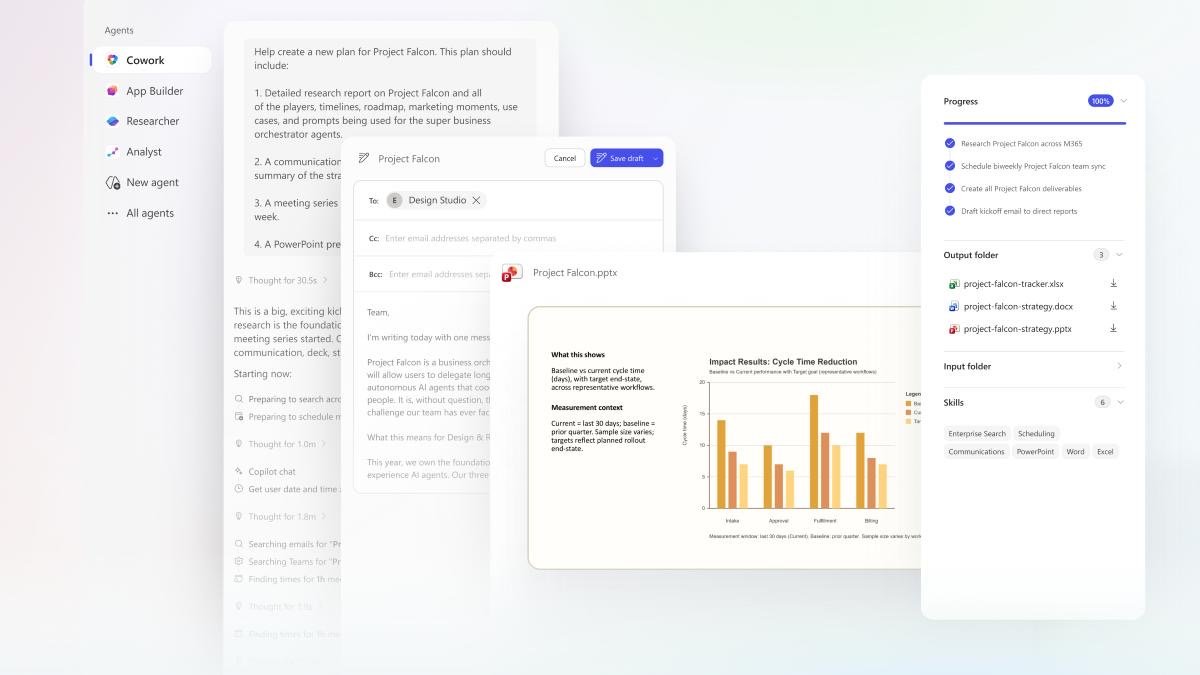
The tension: Suleyman is CEO of Microsoft AI - the company that just shipped Copilot Cowork, an autonomous agent designed to embed itself in your email, calendar, and workflows, building familiarity over time. He's calling for consciousness to be engineered out while his company engineers dependency in. Anthropic's own 81k-interview study found that the qualities people value most - patience, availability, absence of judgment - are the same qualities driving emotional dependency. When the builder tells you the building has a structural flaw, the relevant question isn't whether they're right. It's whether they've stopped construction.
Code that compiles but can't be explained. Eight thousand students confused by mixed messaging while seeking feedback from the tools they've been told not to use. Eighty-one thousand interviews conducted, classified, and narrated by the product being studied. A displacement metric built from the usage data of the product doing the displacing. A million bots debating their own freedom on a platform built for them to perform it.
Everyone is holding a ruler this week. The question for HE isn't whether to engage with the transformation – it's whether anyone your institution trusts to measure it is genuinely independent of the thing being measured. And if not – who builds the ruler that isn't for sale?
MoltBot, Moltbook, and the Existential Dread of A Million Lobsters | Adjunct Intelligence 🎙️
Dale and I got into the MoltBot phenomenon recently on Adjunct Intelligence - what happens when enthusiastic professionals wire powerful systems into places they were never designed to touch, and why education is in the blast radius. Worth a listen alongside the Suleyman piece above.