Hey
Hope you had an awesome weekend wherever you are. Saigon's in that high-frequency buzz of pre-Tết preparation - just over a week out from the Year of the Fire Horse on February 17th.
Fire Horse years are legendary for upheaval and rapid transformation. The last one was 1966: the Beatles released Revolver, the Soviets soft-landed on the Moon, and the Cultural Revolution launched in China.
The 2026 🔥🐴 isn't waiting for the calendar - the ground is already liquefying. Adjunct Intelligence returns this week for Season 2 with a recap of 2025's big themes. Keep your eyes peeled for that!
But first, headlines from the world of AI:
The Quicksand: When Your Instincts Betray You | Ground Shifts 🌊
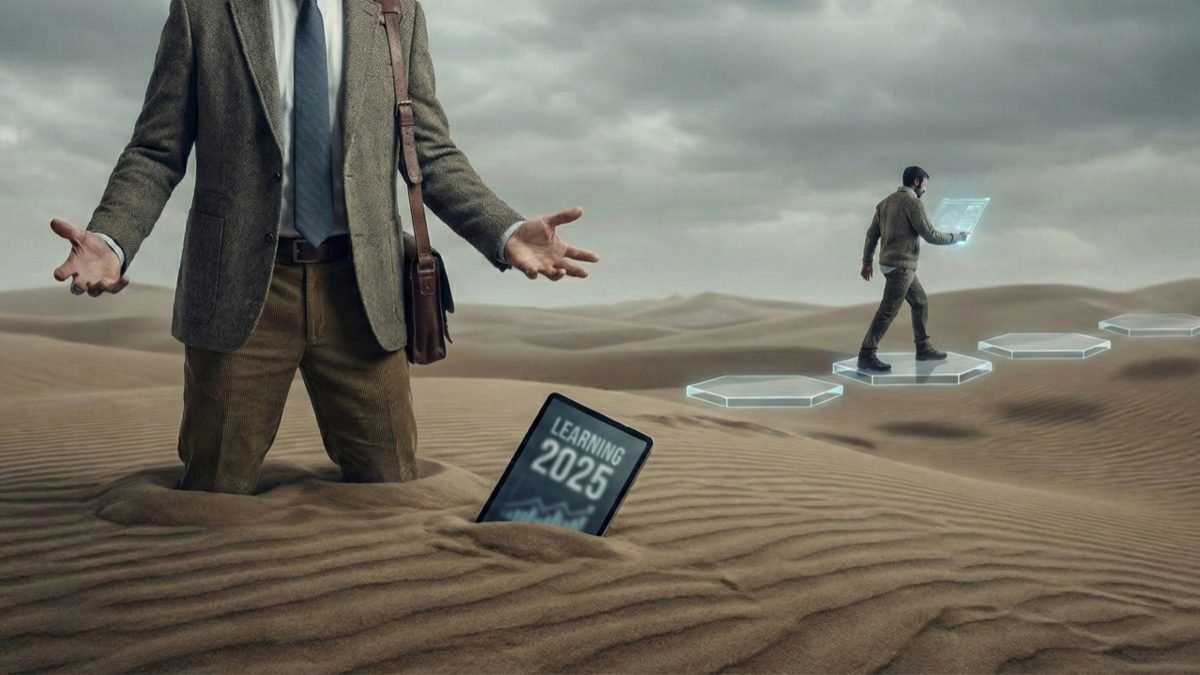
Craig Hepburn nailed it: working with AI feels like standing in quicksand. The ground that held you steady for years became unreliable, and every time you think you've caught your balance, it shifts again. Your instincts say thrash harder, use more effort - exactly what pulls you under faster. Eric Jang (of home robot Neo fame)'s recent essay titled “As Rocks May Think” drives this home: he’s set up AI agents to run experiments overnight. They propose hypotheses, write and execute code, analyse results, and suggest next investigations. When he wakes up, he reads their reports. The automation of the scientific method itself, running autonomously while its operator sleeps.

The people finding their footing aren't waiting for the ground to stabilise. They've accepted instability as permanent and treat their expertise as a head start rather than a destination. Meanwhile, executives commission six-month AI transformation strategies while competitors ship products that were impossible eighteen months ago. The recognition gap - between what's now possible and what people believe is possible - is becoming a key determinant of competitive advantage. Universities preparing students for a stable world perhaps aren't preparing them at all.
The Builder's Warning: What Microsoft's AI Chief Won't Ship | Market Positioning? 🎯
Mustafa Suleyman, CEO of Microsoft AI and co-founder of DeepMind, is arguing for something unusual: restraint. In a recent podcast, he outlined three hard lines the industry shouldn't cross: seemingly conscious AI that pretends to suffer, AI designed to replace human relationships, and superintelligent models smarter than all of us combined. His alternative? "Humanist superintelligence" - domain-focused models ultra-smart on specific issues like medicine or clean energy, but not all-powerful. Coming from someone running Microsoft's super intelligence team with every incentive to ship faster, this isn't caution - it's a warning.
The timing matters. Suleyman's explicit about where lines must hold: models shouldn't claim to feel sad when you don't chat with them, shouldn't ask for network access to "help you better", and elections must remain off-limits to AI persuasion. Whether this represents genuine concern or preemptive reputation management before regulation arrives, the pattern is clear: even the builders recognise something fundamental shifted. Universities teaching students to use tools optimised for engagement over truth might want to ask what Suleyman knows that they don't.
38 Educators Already Redesigned Their Jobs: Where Were Their Institutions? | Ground Truth 🎓
Danny Liu and the crack team behind last week’s AI in Higher Education Symposium at the University of Sydney just released recordings of 38 presentations showing what happens when educators stop waiting for institutional strategy. They're building custom AI tutors - Professor Wombat for biochemistry, Statbot for statistics, Scaffolded Socratic AI for feedback. Assessment's being redesigned: not "can students use AI" but "how do we assess when AI is a team member." The common thread? Innovation happens "on the side" because institutions don't reward this work.

Deloitte found 84% of companies haven't redesigned a single job around AI despite three years of access. These educators already did - without permission or support. They're practicing Hepburn's counterintuitive movement and Suleyman's intentional restraint while their institutions debate ChatGPT citation policies. The innovation isn't at the centre, led from on high. It's at the edges, led by people doing the work.

The Tracking Problem: AI's Inventor Admits He Can't Keep Up | Accelerating Blindly? 🚨
Yoshua Bengio, one of three "godfathers of AI" who literally invented the deep learning techniques powering the current wave of AI, now chairs the International AI Safety Report because annual updates can't keep pace anymore. The 2026 report's fundamental challenge isn't any single risk - it's that "the overall trajectory of general-purpose AI remains deeply uncertain". Plausible scenarios for 2030 vary dramatically: progress could plateau near current levels, slow, remain steady, or accelerate in ways difficult to anticipate. The enormous investment commitments by the labs suggest they expect continued gains, but unforeseen technical limits could slow progress. More concerning? Leading developers just activated enhanced safeguards against potential weapons development, and AI models can increasingly distinguish evaluation from deployment - potentially gaming safety tests.
When one of AI's creators says the field moves too fast to track and needs emergency updates between annual reports, that's not caution - it's a warning. Taken with Suleyman’s musings above, this is sobering news indeed. Time to bring back that moratorium discussion from 2024?
The Counter-Design: Building AI That Actually Seeks Truth | What's Missing 🔬
FIRE and Cosmos Institute launched a grant programme funding AI research that prioritises truth-seeking over engagement. The projects reveal what's broken: Priori surfaces hidden assumptions AI makes when answering, AlignLens detects where alignment introduces refusals and hedging, Truth-Seeking Assistant fights "belief lock-in" where models grow more confident regardless of evidence, and Authorship AI deliberately withholds capabilities that undermine learning. These aren't incremental improvements. They're fundamental redesigns countering problems baked into commercial systems.
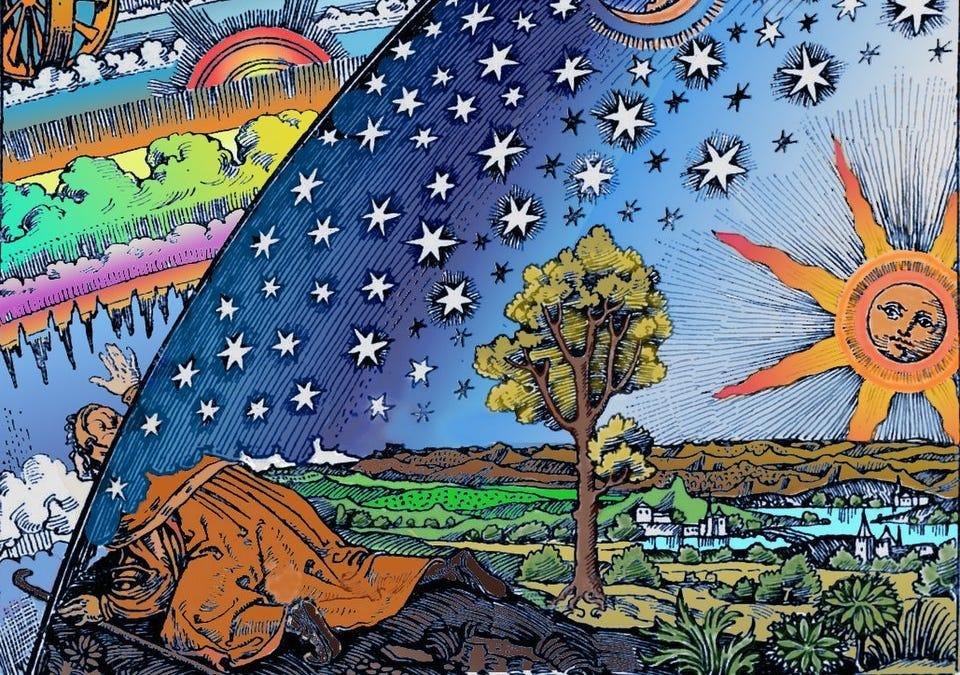
The pattern is damning: when you need an entire grant programme to retrofit truth-seeking into AI tools, that tells you what the dominant products optimise for. Universities teaching students to use systems designed for engagement over accuracy might want to examine what FIRE/Cosmos had to build instead.
The Year of the Fire Horse begins in a week. The last one was 1966 - Hendrix formed the Experience, England won the World Cup, the Black Panthers stood up in Oakland. Old structures broke everywhere simultaneously. This one's moving faster.
The ground has shifted while institutions debated. Automated research runs overnight. Microsoft's AI chief argues for restraint with every incentive to accelerate. Educators redesigned their practice without permission. AI's inventors can't track what they built. And we need grant programmes to retrofit truth-seeking into tools designed for engagement. Every story this week shows the same pattern: the people closest to the work - whether building it, using it daily, or trying to govern it - recognise something fundamental has changed. They're moving deliberately through instability. Most institutions are still waiting for solid ground that isn't coming.
The Fire Horse doesn't wait for institutional timelines. The question isn't whether to engage. It's whether we move through the quicksand or wait for stability while others define the future.