Hi
Hope you had great weekends - bar a very loud beer festival I prioritised spending time with the fam. After all, it's the last weekend in Hanoi for a bit before I head away to Melbourne for ASCILITE. Looking forward to that though and maybe see people there?
Anyway, enough of that - a few headlines from the world of AI:
🎓 The Great AI Education Reset: From Revolution to Reality Check
Remember when Sal Khan was declaring AI would trigger "the biggest positive transformation that education has ever seen"? Well, plot twist! At UCSB Arts & Lectures last week, Khan’s revolutionary fervour has cooled to a more measured: "maybe AI can be part of that solution" - talk about a change of tune!
Oh what a difference a year makes...
But then let's put this in context - Gartner just announced AI has passed its Peak of Inflated Expectations, while fresh UK research shows academics thinks students are using AI for 43% of uni work, but students report just 24%). Welcome to what Gartner calls the "trough of disillusionment". But maybe that's exactly where the real magic happens. After all, sometimes the most significant transformations aren't the ones making headlines!

🤖The End of Secure Online Testing? AI Gets Hands-On
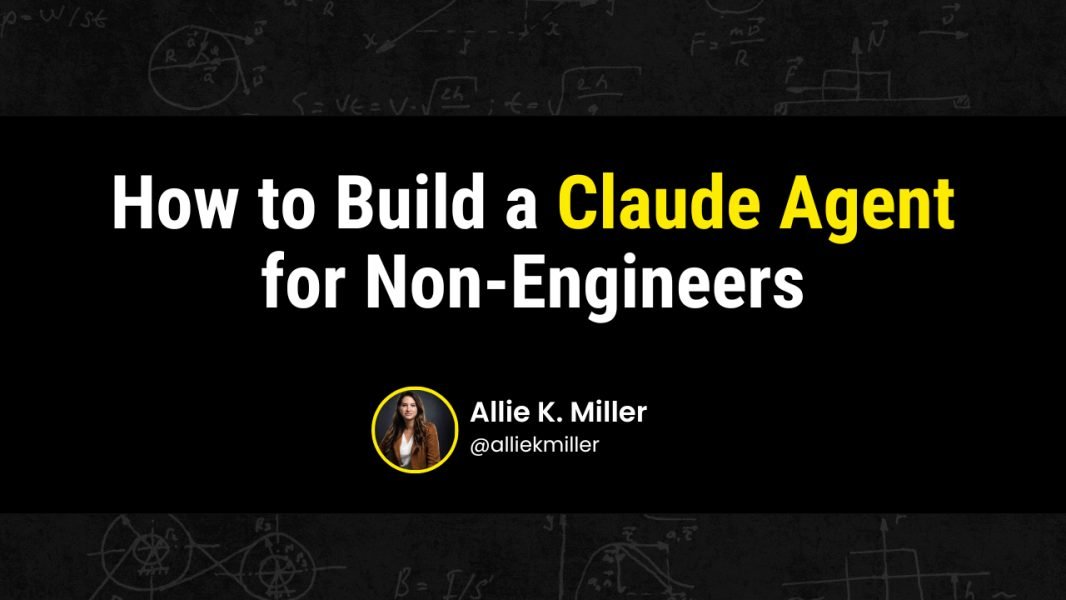
So this was a bit of a bombshell. The ever-inspiring Danny Liu was kind enough to come and speak to our RMIT University AI Community of Practice recently and, while there, he was asked about the viability of Lane 1 (i.e. secured) assessments for online courses. His response was telling, beginning: "I have bad news for you..." And here's why: AI is learning to use computers just like humans do, and systems like Cadmus or Lockdown browsers are suddenly looking vulnerable 😬

Here's the deal: Claude's computer control capabilities might still be in baby steps (as AI legend Allie K. Miller puts it, "not a toddler, but a baby"), but when AI can literally control a computer like a human, "secure" online tests become... well, not so secure. Surely there are huge technical barriers here, you might ask? Miller's new step-by-step tutorial makes this accessible to anyone - no engineering degree required. Just Docker and a few simple commands, and suddenly Claude's clicking buttons and navigating screens like a pro. Sure, it's early days, but that just makes it more remarkable 🚀
🧪 AI's Scientific Revolution: Breaking Out of the Safe Zone
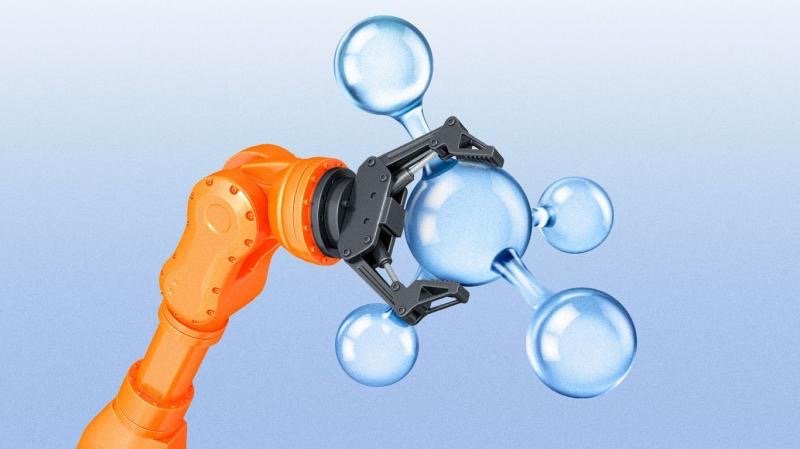
Here's something wild - scientists have taught AI to think like them, and plot twist: AI thinks they're playing it too safe! A fascinating Nature paper reveals how University of Chicago researchers created "digital doubles" that don't just read scientific papers - they understand how scientists actually work. The results? Mind-blowing. We're talking 400% better at predicting future discoveries, plus spotting blind spots that human researchers were completely missing 🤯
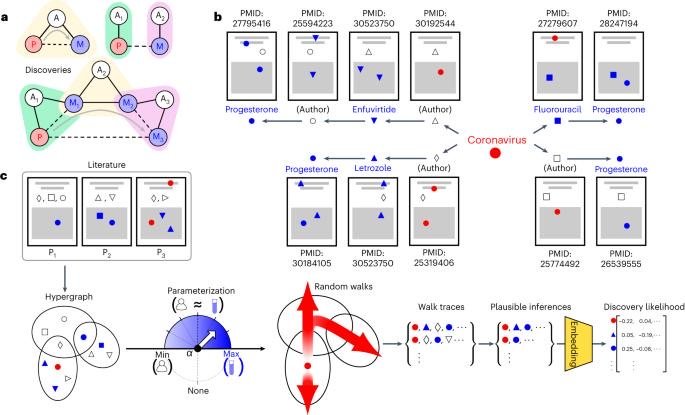
But here's the real tea: it's exposing how our scientific culture might be holding us back. Scientists are often pressured to squeeze every last drop from existing ideas rather than explore truly novel territory. By teaching AI to "avoid the crowd," researchers found it suggesting unexpected but totally plausible new directions. As Max Planck Institute's Iyad Rahwan notes, the challenge now isn't getting AI to make suggestions - it's getting scientists to trust them!
💰The IMF’s Crystal Ball: 5 Years or 20 to AGI
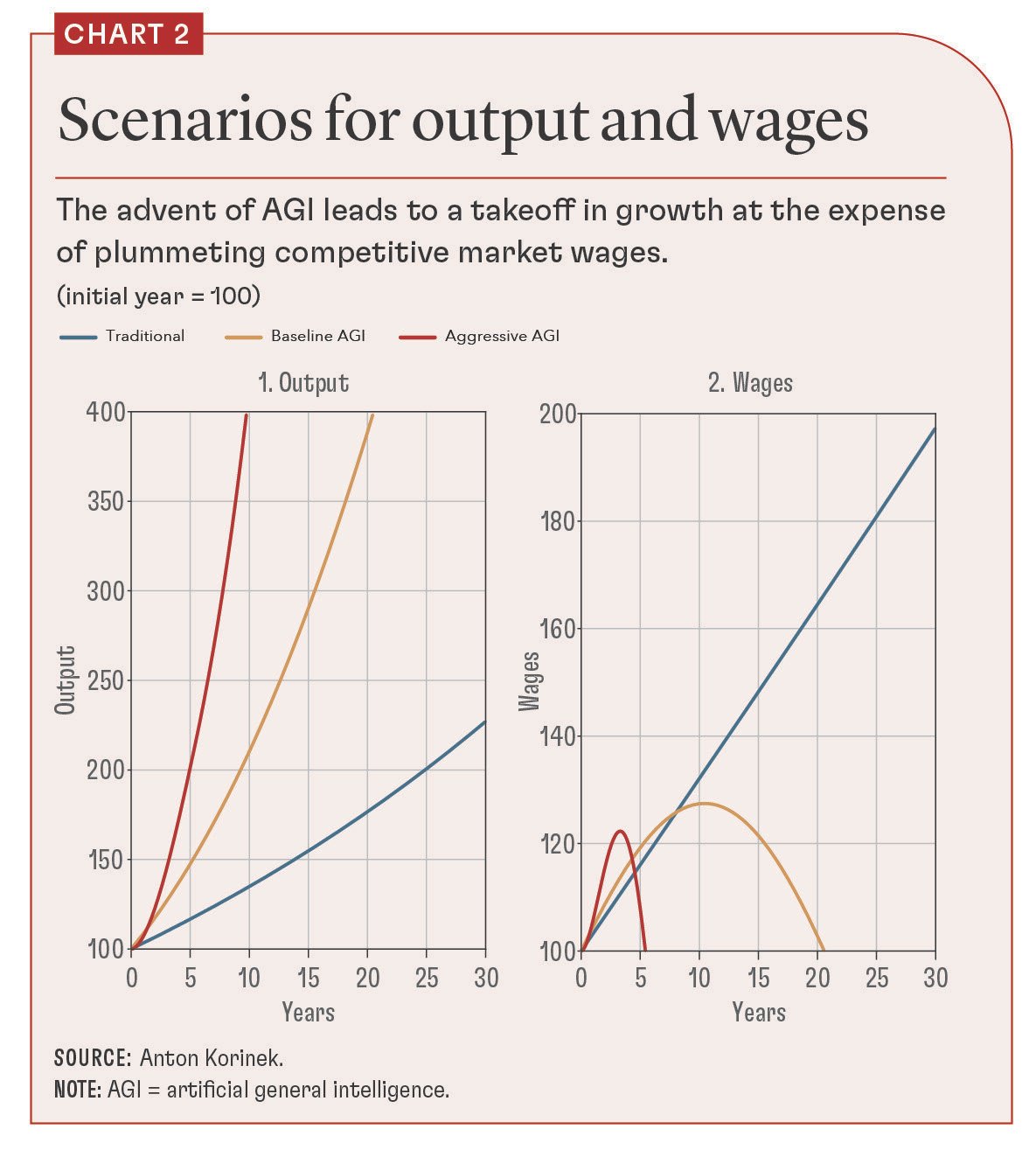
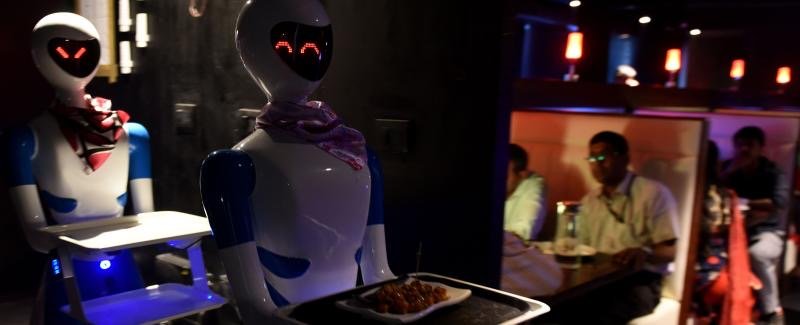
When the IMF starts writing doomsday scenarios, you know things are getting real. Their latest analysis (with University of Virginia's Anton Korinek) hits different - we're looking at three possible futures, and none of them are boring 📊
Picture this: Scenario 1 is "business as usual" (AI boosts productivity, new jobs emerge). Scenario 2 gives us 20 years until AGI (artificial general intelligence). But Scenario 3? Hold onto your hats - AGI in just 5 years! The economic implications are massive, with wages potentially doing a roller coaster ride - up initially, then potentially plummeting as we approach AGI (below). Time to start thinking about adaptive policy frameworks? You bet!
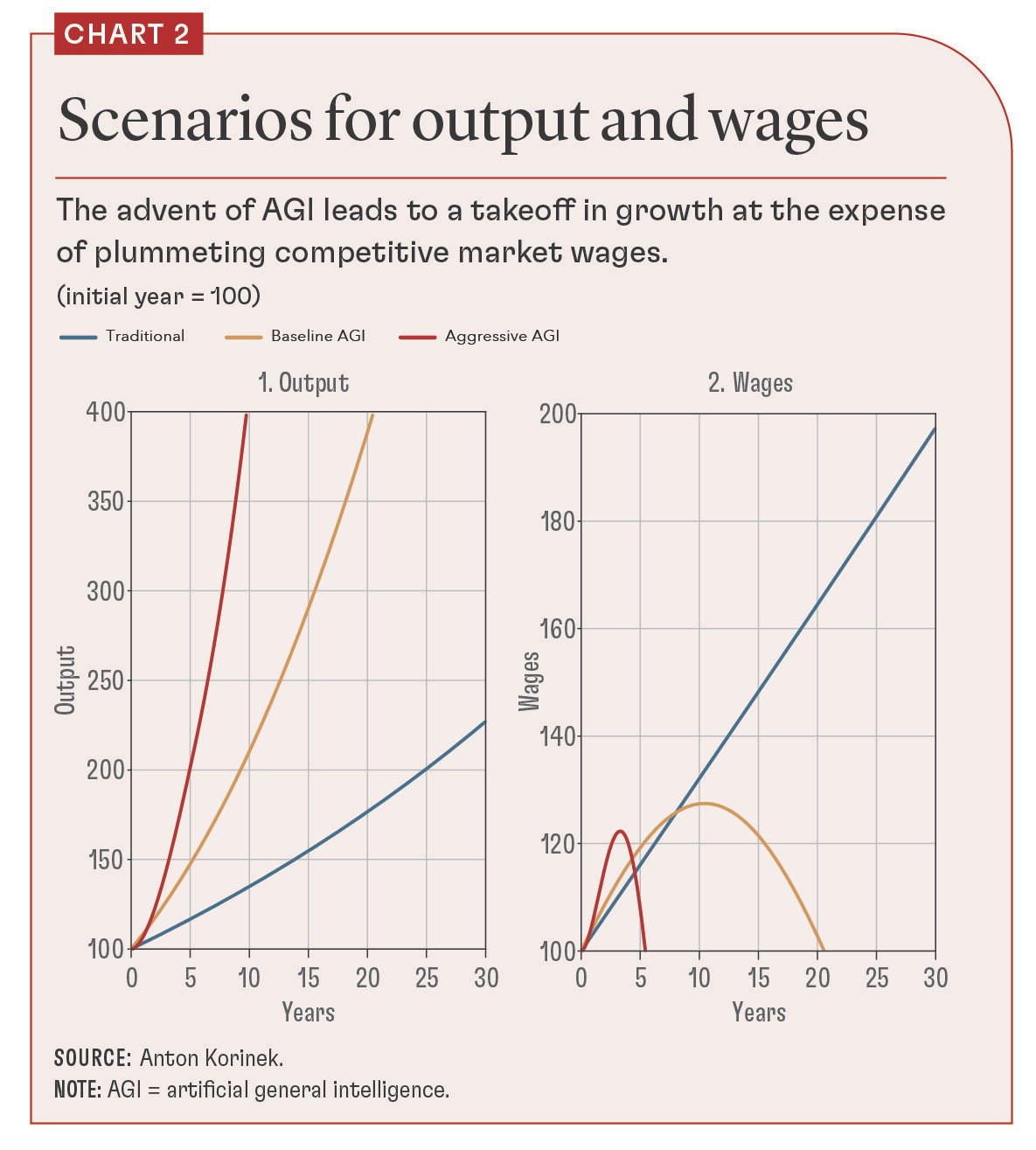
That aggressive AGI line on wages... yikes.
🎬 AI Video Magic: The Secret Sauce Isn't in Your Prompts
Pro tip alert! Want better AI videos? Stop obsessing over perfect Runway prompts and start focusing on your starter images. The secret? Feed it images that already suggest motion - think spinning car wheels instead of parked cars, hiking boots mid-stride rather than planted. It's like giving your AI a running start 🏃♀️
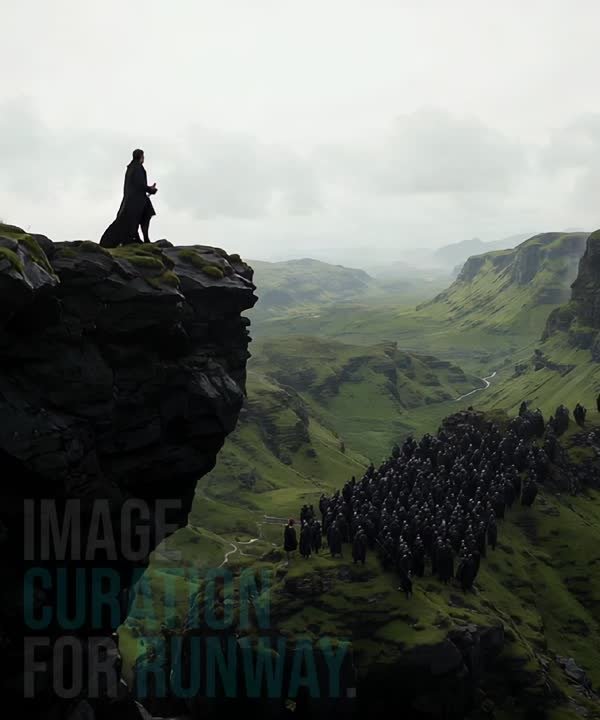
The best part? This approach isn't just smarter - it's more efficient. Higher res images with "baked-in" motion mean Runway can enhance existing movement rather than conjuring it from scratch. Try adding "[BOKEH MOTION]" and "[LOSING HERSELF IN THE MUSIC]" to your Midjourney prompts before sending to Runway. Sometimes the simplest tricks are the most effective!
That's us this week! From Sal Khan's reality check to the International Monetary Fund's future gazing, and from assessment security wake-up calls to AI video production tricks, we're seeing AI move from the hype phase to something more interesting - and perhaps more transformative. After all, real change often happens in the quiet moments between the headlines.
Speaking of transformative moments - looking forward to catching up with some of you at the Australasian Society for Computers in Learning in Tertiary Education (ASCILITE) conference in Melbourne next week. Until then, keep experimenting, stay curious, and as always, hit reply if you want to chat about any of this! 🚀✨