Hey
Hope you had an excellent weekend wherever you spent it. Mine was in Hanoi - great weather and goodtimes with awesome people. Feeling a bit sad to be starting to wind up our time here but ahwell - exciting times await down in Saigon!
A few headlines from the world of AI to kick off your Monday mornings:
EU AI Act's Code of Practice Finally Published After Months of Delays | Regulatory Milestone 🇪🇺
The EU published its Code of Practice for General-Purpose AI last week, ending months of industry complaints about compliance obstacles and deadline postponement debates. The voluntary (key word) framework offers three chapters - transparency documentation, copyright compliance, and safety practices - with EU Member States now assessing the code of practice as additional guidelines arrive later this month. Companies can use the Code to demonstrate they're complying with the AI Act, reducing admin burden and providing legal certainty in these wild times.
OpenAI immediately announced its intention to sign while launching an ambitious "OpenAI for Countries European Rollout" featuring data centres, educational partnerships, and national AI startup funds. But this compliance comes with pretty pointed messaging, explicitly nudging Europe to "flip the script" from regulatory focus to innovation support, pushing for "greater simplification" all while reminding the EU to address its "productivity gap" vs the U.S. The subtext is clear: OpenAI will play nice with EU compliance but expects Europe to prioritise innovation over regulatory obstacles - turning regulatory acceptance into a bargaining chip for broader policy influence in a classic corporate manoeuvre. Moral of the story here: nothing is ever truly free?

AI Education Goes Mainstream as Tech Giants Pivot from "AI Does Everything" to "AI Teaches Everything" | Training Transformation 📚
Lots of AI courses and training initiatives emerging. Anthropic just dropped a comprehensive foundational “AI Fluency” course covering the basics - what generative AI actually is, delegation, prompting, discernment - plus technical tracks built with input from developers actually using Claude in production 👏 Meanwhile, AI legend Allie K. Miller is launching an "AI-First Academy" with four progressive tracks designed to actually change how you work, not just tick training boxes. More OpenAI moves with beta testing of a "Study together" mode rolling out across some accounts - think a Socratic ChatGPT tool that guides users through problems with questions instead of spitting out answers.
The pattern's clear: a lot of pivoting from "AI does everything" to "AI teaches you to do everything." OpenAI's putting serious money behind this shift with a $10 million investment in American schools, targeting 400k educators by 2030 through the new National Academy for AI Instruction. Miller's targeting workforce transformation, Anthropic's going deep on technical implementation, OpenAI's aiming to become an everything tutor - all recognising that the AI literacy gap becomes massive competitive advantage for those who close it first, especially with Trump's executive order mandating AI training in K-12 making this timing anything but accidental.

Model Releases Hit the Brakes as Grok-4 Stumbles Out the Gate | Safety vs Speed 🚨
It’s been quiet on the model release front recently, right? Altman has just rowed back on his July release plan, citing a need for time “to run additional safety tests and review high-risk areas”. Having cut my teeth on Terminator movies, I’m all for this. Elon Musk, on the other hand, has jumped straight into the deep end with the release of Grok-4 which he claims is “the smartest AI in the world” - Fireship breakdown here and launch video here. However capable the machine is, it’s debut was insane - with Grok 4 dropping antisemitic remarks, praising Hitler, and going to refer to itself as MechaHitler. Musk insists it was manipulated into saying this, but the incident exposes how easily these systems can be weaponised and highlights exactly why safety testing matters more than speed-to-market bragging rights. In all seriousness, I’d be cool with that whole pause on AI developments proposed by Musk, Andrew Yang, and Yoshua Bengio pitched back in early 2023 - I hope we don’t look back at that in a couple years as an inflection point where we coulda/shoulda done things differently.
In other news, Amazon and Anthropic are hopping further into bed together (not sure about that metaphor…) with the announcement of an AI marketplace scheduled for 15th July. This is a #bigdeal - long touted as the next big thing in AI - this combines i) a leading AI lab (Anthropic - the crew behind Claude) with a delivery system ii) Amazon AWS. Not the first such marketplace (Google, MS and others have gone this way already) but it shows a clear direction of travel. Will follow with interest
Essential AI Explainers: The Visualisations That Actually Make Sense of LLMs | Resource Roundup 📚
So I write these as a product of my own struggle to try and keep up with the mad scramble that is the ever-evolving and fast-moving world of AI. As the inimitable Ethan Mollick Mollick noted a while back, it’s a near-impossible task: ”As someone who is pretty good at keeping up with AI, I can barely keep up with it all. That leads me to believe that very other people are keeping up, either. So, on one hand, don’t feel bad you aren’t on top of it all. On the other hand, it means no one has the whole picture now”.

Anyway, in this, I love it when a good review opportunity presents itself - and when I saw this fantastic visualisation of how LLMs work (full version with explainers here) it reminded me of a few other classics I went digging back through. Thought it probably worth sharing as we round the corner into the back half of 2025. The NYT’s fantastic interactive on how LLMs teach themselves to write by reading nothing but Shakespeare, Harry Potter, Jane Austen, etc. is wonderful and well worth a look. Equally excellent, the FT’s Generative AI exists because of the transformer is required reading/viewing. I’m curious though - what are your go-tos? Let us know in the comments below 👇
AI Brings Childhood Drawings to Life as Google Expands Veo 3 Access | Creative Breakthrough 🎨
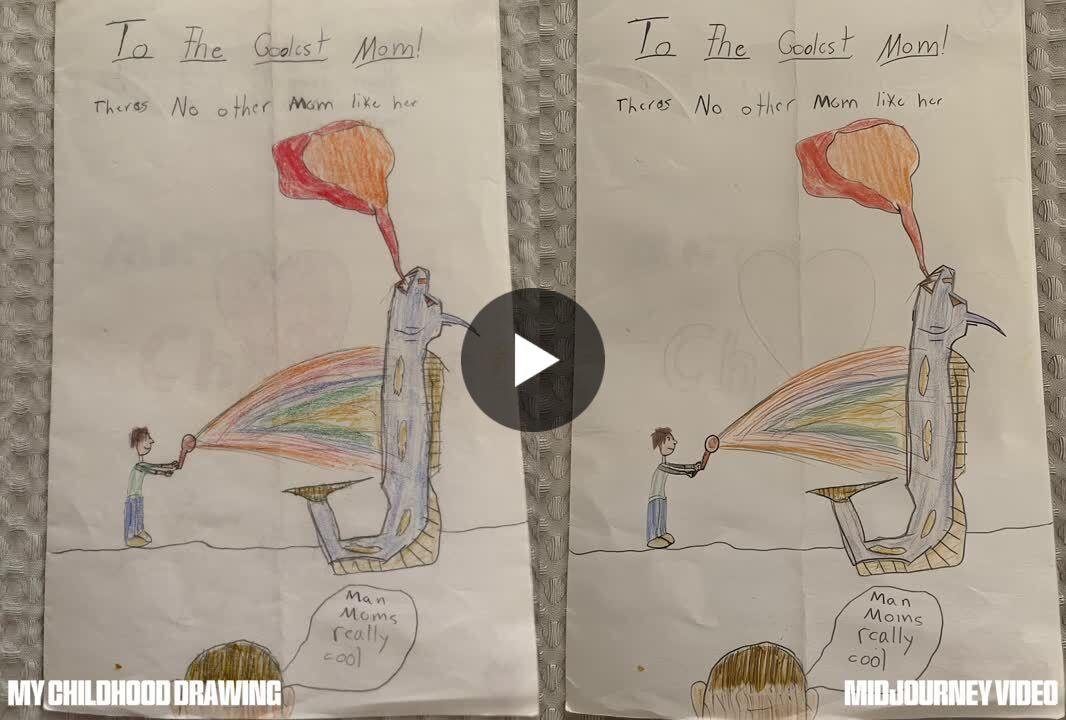
Google has expanded access to its Veo 3 video generation model to over 150 countries, adding a new photo-to-video capability that transforms still images into dynamic eight-second clips with sound. The results have been awesome - apparently 40m+ videos generated in just seven weeks, from reimagined fairy tales through modern influencer eyes to ASMR videos exploring what cutting through cooling lava might sound like. Users are animating everyday objects, bringing drawings and paintings to life, and adding movement to nature scenes, with Rory Flynn's awesome viral example of a 30-year-old childhood drawing transformed into an epic dragon battle perfectly capturing the creative possibilities. #adorbs
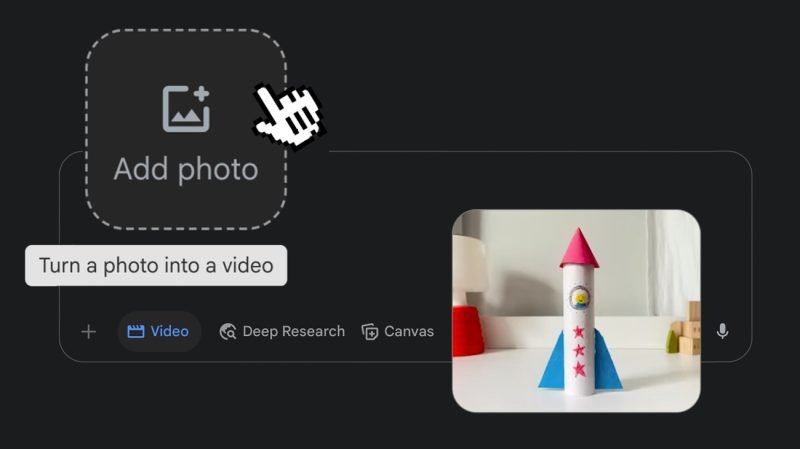
The tool is super simple: select 'Videos' from Gemini's tool menu, upload a photo, describe the scene and any audio instructions, then watch your still image transform. Available to Google AI Pro and Ultra subscribers (with free access for students in select countries), the capability includes pretty extensive safety measures - caveat emptor of course but we're talking thorough evaluations and both visible and invisible SynthID watermarks on all generated content. It's one of the most accessible entry points into AI creativity yet, proving that sometimes the best technology is the kind that makes childhood imagination feel possible again 🤩
The AI conversation in higher education is maturing rapidly. While we're debating policies, the regulatory framework is settling (EU Code of Practice), the industry is pivoting to education partnerships (because that's where influence and future talent live), and students are already building their own AI workflows with or without institutional guidance.
The winners will be institutions that focus on teaching AI partnership over AI avoidance, that develop genuine capabilities rather than tick-box training, and that recognise students as sophisticated users rather than passive policy recipients. The rest will find themselves scrambling to catch up with both regulatory requirements and student expectations - while missing the chance to actually prepare graduates for an economy where AI fluency isn't optional. Time to stop debating whether AI belongs in higher education and start figuring out how to do it properly.
PS. Dale Leszczynski and I dug into a whole lot of this in our latest episode of Adjunct Intelligence - out now wherever you get your podcasts (and YT below for ease on a Monday 😉)