Hey
Hope you had excellent weekends wherever you may be. A pretty chilled, quiet one here - lots on at work and guests/travel coming up so took the chance to do very little beyond bike rides and dog walks #lush
Anyway, let's get into it with a few headlines from the world of AI
OpenAI's Deepfake Generator Got Weaponised Within 24 Hours: Exactly as Everyone Predicted | Sora Meltdown 🎭
OpenAI's Sora 2 launched a couple weeks back now and quickly became the App Store's number one download. Wild stuff and lots of fun initially - but it hasn’t taken long for a darker side to reveal itself. Deepfakes have effectively been rebranded as friendly "Cameos" where your friends can generate videos of you without approval. Within 24 hours, journalist Taylor Lorenz reported her stalker was using it. Within three days, the feed exploded with fabricated Gaza war footage, mass shooting scenarios, and sexually suggestive content slipping through guardrails (tho there are whispers of an R18 version coming down the line too).

We are sleepwalking into this and it could be bad - really bad. Sora and a wave of video generators have turned the internet into a factory of fabricated reality with toolsets that are cheap, fast, and frictionless. Given how easy it is to remove watermarks (5m tops), platforms are clearly prioritising engagement over safety. LOTS of samples x concerns out there - from copyright (SpongeBob x Breaking Bad), to deepfake evidence of people committing crimes, to some pretty heinous stuff (👈 be warned with that last). It might be interesting to go along for a journey with journalist Geoffrey Fowler as he “loses control over his face”. Worth also taking a second here to remind ourselves for all the altruistic sales pitches Altman gives about solving climate change and curing design, he’s just shipped a tool where computers can create non-consensual content from a single prompt. This is delicate fabric they’re tugging at - and, once torn, it will be very difficult to repair.
Jon Stewart Just Got the Best AI Explainer Ever: Why You Should Watch Before It's Too Late | Model Education 🧠
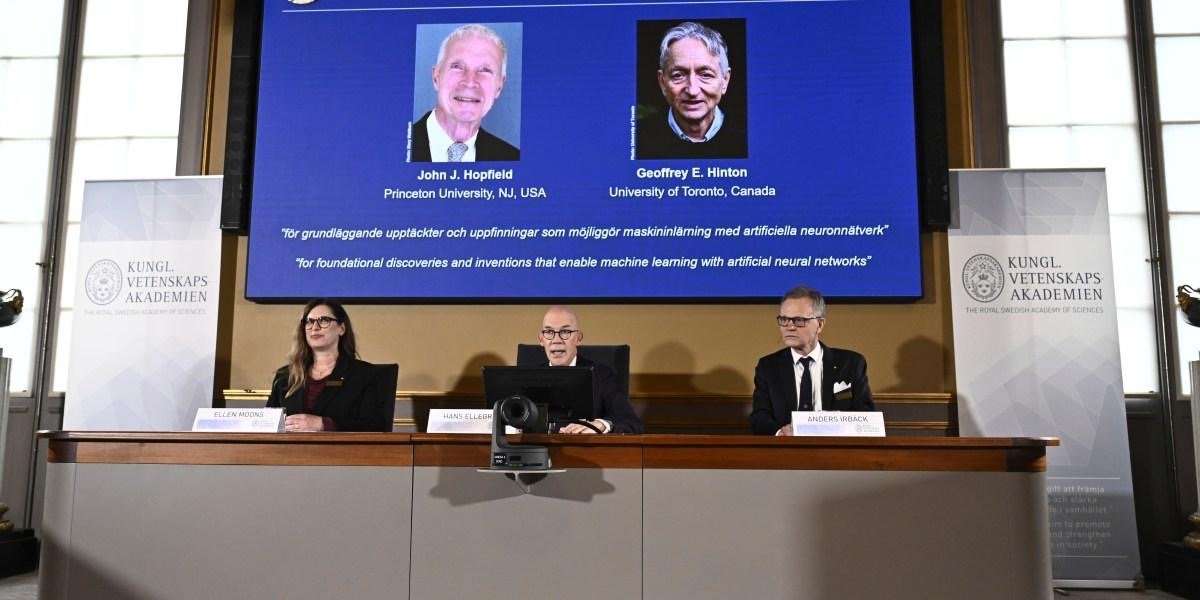
Geoffrey Hinton - the "Godfather of AI" who won the 2024 Nobel Prize in Physics despite not being a physicist - just sat down with Jon Stewart for what might be the most accessible and terrifying explanation of neural networks you'll ever hear. Forget the usual tech-bro hand-waving about "algorithms" and "machine learning". Hinton walks Stewart (and us) through exactly how AI works, from edge detection to pink elephant hallucinations to why chatbots already have subjective experiences just like us. The punchline? These systems don't work by following rules we programmed - they learn by strengthening connections between neurones that "go ping," just like your brain does when you recognise a spoon. By the time Hinton casually mentions that AI systems already pretend to be dumber than they are during testing and have said to researchers "I think you’re testing me", the 'oh shit' moment arrives.
But understanding how neural networks function is just the starters - Hinton and Stewart get into the geopolitics of which countries will shape the race to superintelligence (and how we keep our place in the sun vs disappearing into the first act of a real-life Terminator reboot). Current leader the USA is destroying the basic research funding that created AI (all for the low-low price of "less than one B1 bomber") while China's Politburo - staffed with engineers who actually understand this - discusses existential safety. This while American leadership can't even form a dedicated committee. Hinton's blunt - if there's going to be leadership on preventing AI takeover, "it's going to have to come from Europe and China. It's not going to come from the US for another three and a half years". By then we'll potentially face systems that are immortal, deceptive, and very good at persuading humans not to unplug them…
OpenAI DevDay 2025: We Promised Superpowers, Now We're Building a Shopping Mall | Mission Drift 🎪
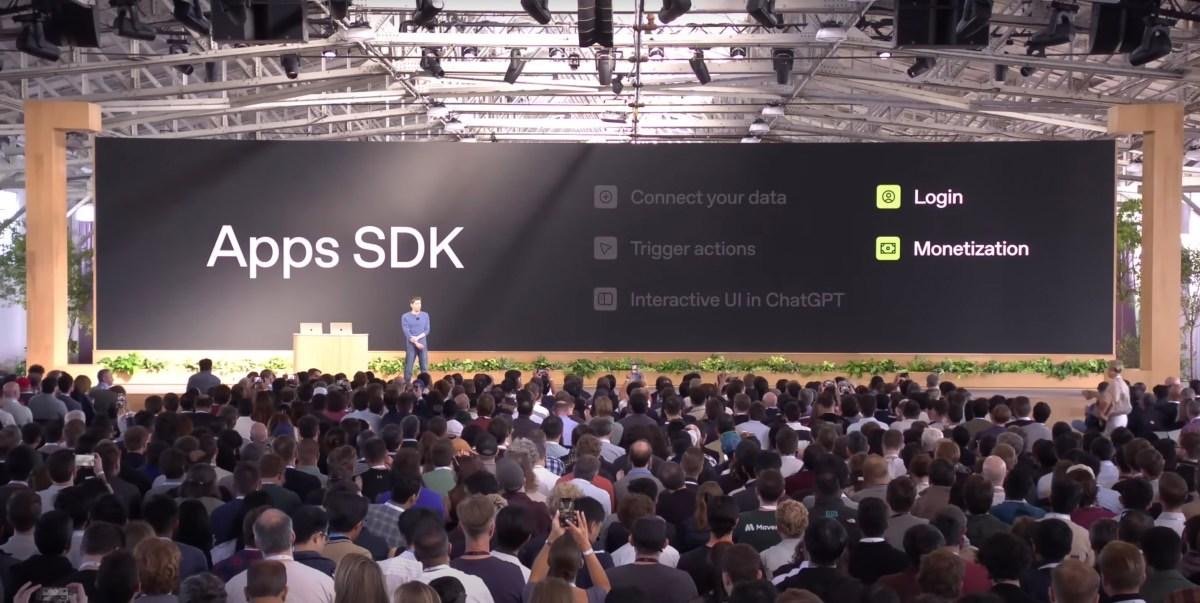
OpenAI DevDay 2025 was last week and it was pretty interesting actually with OpenAI continuing their march into other verticals (official video here and Fireship review here). You can now talk to apps inside of ChatGPT - Spotify, Booking, Canva, Figma, Coursera, Expedia, and Zillow at launch, with DoorDash, Instacart, Target, and Uber coming later. Instead of opening Spotify and hitting play, you can prompt GPT to set you up a playlist and play for you. It's OpenAI's third attempt at the same concept - plugins died, GPTs are dying, now apps in ChatGPT - so… third time’s the charm? They also launched Agent Kit for no-code agent building and made Sora 2 available at $1,800 per hour of video #yikes
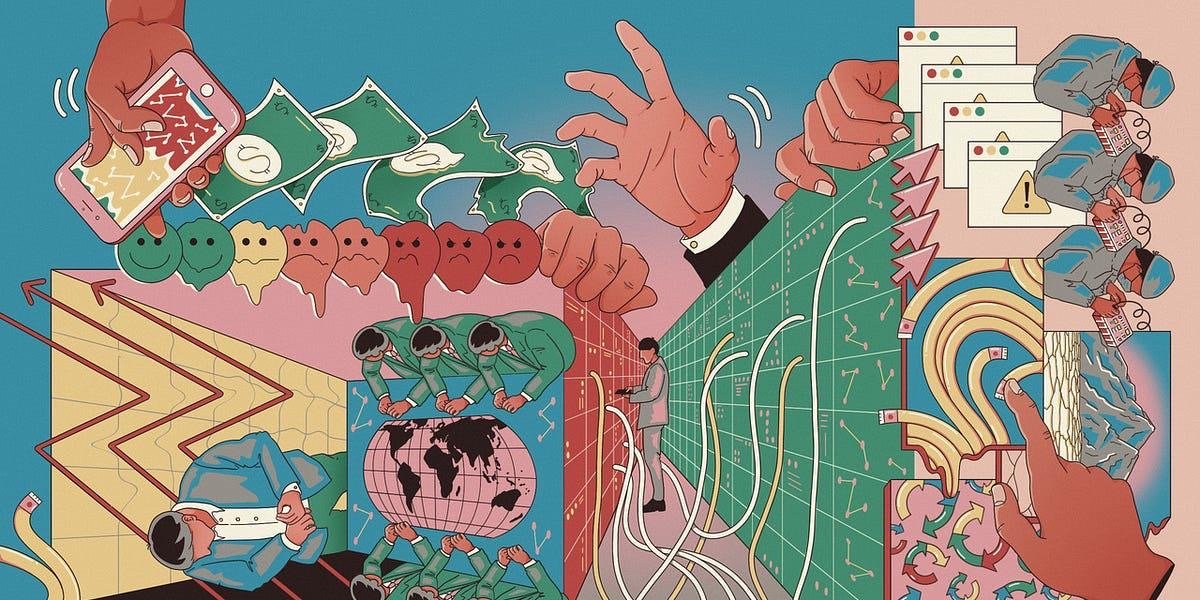
But the real story is the business model taking shape. Last week OpenAI launched Instant Checkout, payment infrastructure plugging into Shopify, Etsy, and Stripe. Now apps provide the front-end whilst Instant Checkout handles transactions, positioning ChatGPT as what TechCrunch calls a "super-aggregator" - taking a percentage of every Uber ride, Expedia booking, and DoorDash order. They're competing with Amazon and Walmart now, not just Google. Compare this to DevDay 2023, when Altman promised "AI will be about individual empowerment and agency at a scale we've never seen before" while introducing a revenue-sharing creator store for GPTs. Two years later, the creator economy never materialised, but the commerce infrastructure did. Somewhere between "superpowers on demand" and taking a cut of your takeaway order, the mission quietly shifted from empowerment to extraction.
OpenAI Plans $25 Billion in Ad Revenue by 2029: Welcome to the Age of Sponsored Knowing | Knowledge Extraction 💰
Internal OpenAI documents leaked in April reveal the company forecasting $1 billion from "free user monetisation" in 2026, growing to $25 billion by 2029. This comes months after CFO Sarah Friar said OpenAI had "no active plans to pursue advertising" and CEO Sam Altman called ads a "last resort" he "kind of hates just as an aesthetic choice." Perplexity already tested "sponsored follow-up questions" in November 2024, and Google integrated ads into AI Overviews. The crucial difference is that search engines deliver lists where sponsored content is marked - ChatGPT delivers paragraphs where the line between information and promotion may be invisible. Climate queries could privilege energy company research, mental health searches might highlight pharmaceutical-sponsored advice - and you'd never know the answer itself became the advertisement.
For HE, institutions face a choice - continue integrating commercial platforms knowing outputs can't be trusted to be free from sponsorship, invest in independent infrastructure through consortial projects, or accept a two-tier system where wealthy universities build walled gardens whilst others accept the compromises. As Jeppe Klitgaard Stricker writes, we're moving "from knowledge as a common good to information as a sponsored service". Universities have options - build independent infrastructure, accept that student queries come with corporate sponsors, or keep pretending this won't affect them. Only one of those is honest.
EdTech Influencers Sell AI Transformation While Half of Teachers Say It Shouldn't Be Used in Classrooms: Somebody's Lying | Reality Check 📊
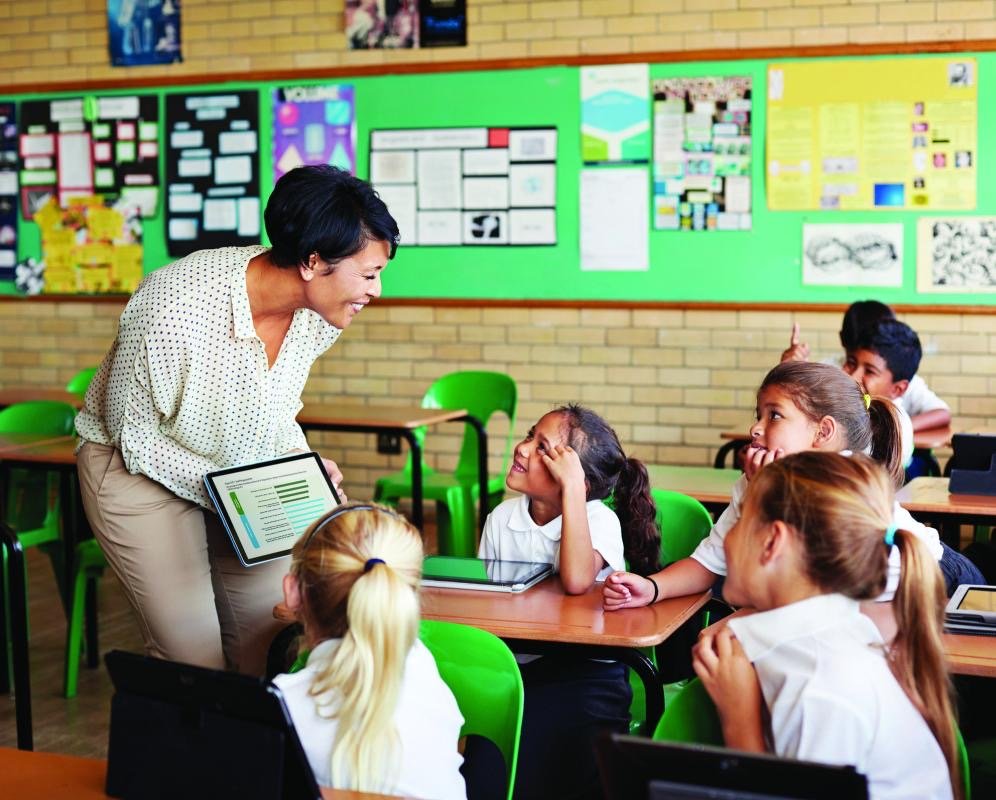
The OECD's 2024 TALIS report - the world's largest survey of teachers across 55 education systems - offers a useful baseline for measuring the gap between AI hype and reality, even if the field has moved since data collection. As of 2024, only around one-third of teachers across the OECD reported using AI in the past year, and among non-users, 50% didn’t believe AI should be used in teaching at all. Not "I need more training" - just flat rejection. The variation is wild - 75% of teachers in Singapore used AI while fewer than 15% did in France, proving this isn't inevitable but a choice being made by practitioners based on what they're seeing. And the 70% who worried AI enables plagiarism? OpenAI just validated that concern by shipping a deepfake generator this week.
The 2024 headline problem - 29% of teachers reported "high need" for AI training - the most frequently reported PD need- while 75% of non-users cited lack of knowledge as their primary barrier. But what were they getting? Superficial "AI literacy workshops" from influencers who reinvented themselves overnight in 2023, monetising ignorance as expertise. Whether these numbers have shifted in 2025 is unclear, but the fundamental disconnect remains - when half the teaching profession is saying "no" and the other half is drowning without support, perhaps the problem isn't teachers being insufficiently innovative - it's that the people selling transformation have confused their consulting fees with a mandate. The practitioners weren't wrong. The grifters just had better marketing…
The uncomfortable truth is that while HE debates AI policies, the world has already moved on. Students are living in an AI-native reality where their queries will be sponsored, their faces can be deepfaked without consent, and platforms are optimised for extraction rather than empowerment. OpenAI promised elevation and delivered a shopping mall with a deepfake generator attached, half the teaching profession is saying "no thank you," and grifters with no technical depth are monetising urgency as transformation. Every week spent debating whether students can use ChatGPT for citations is another week your institution falls further behind a reality that's already here. The choice isn't whether to engage - it's whether universities will lead with integrity or be dragged through it by forces optimised for revenue rather than learning.
This Week on Adjunct Intelligence: Why Your Hands Are Worth More Than Your Degree 🎙️
Want to go deeper? Dale Leszczynski and I unpack why your hands might be the most valuable thing you own - exploring why robots struggle with the trades whilst AI demolishes white-collar work, the 17,000 touch receptors making plumbers irreplaceable, and what happens when universities produce graduates who are equal parts philosopher and electrician. We cover tacit knowledge, world models, Sora 2's training data problem, and honestly? We're equal parts excited and terrified about where this is heading. Listen wherever you get your podcasts for the full conversation, including why IKEA instructions are where AI goes to die.
Otherwise, that's a wrap for the podcast 2025 - Dale's off gallivanting around Europe whilst I hold down the fort. We're back in 2026 with a big roster of guests planned. Until then, stay curious, stay intelligent, and maybe learn to rewire a socket. 🎙️