Hi
Hope you're well. Myself, just back today from a week away in Malaysia visiting family. Had a wonderful time with fantastic hosts exploring new parts of both Langkawi and KL - awesome stuff and can't recommend either enough. That said, there's been a lot of travel recently so its great to be back home and really getting amongst it with 2026/this new year of the fire horse 🔥🐴
Anyway, it's a Monday so let's get into it with the world of AI:
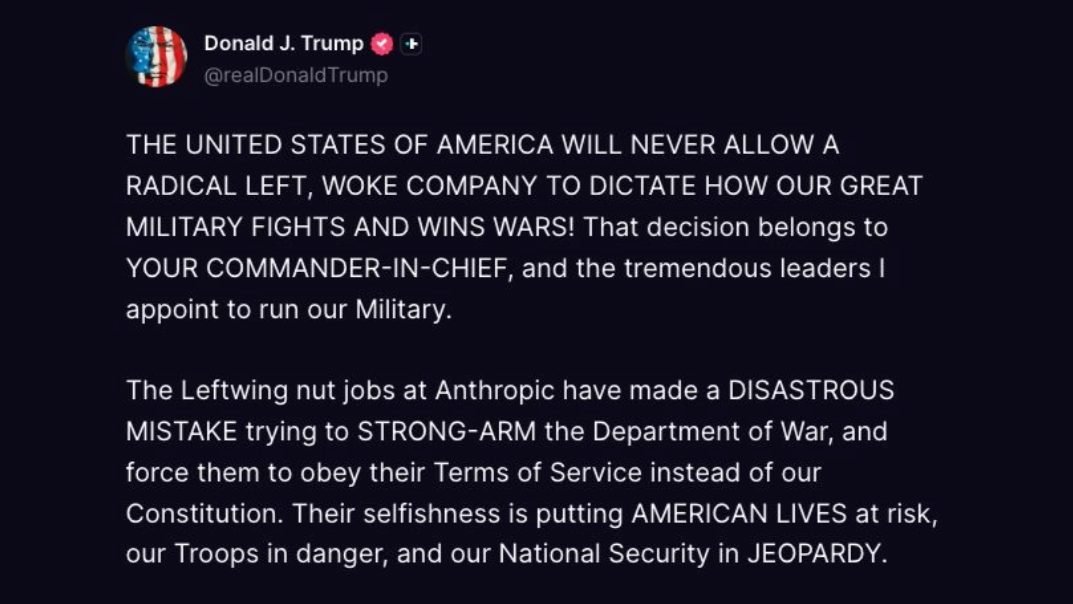
The AI Company That Said No to the Pentagon: Anthropic's Redlines vs the Trump White House | Power Shift ⚖️
Anthropic just refused to remove two safeguards from its Pentagon contract: no mass domestic surveillance of US citizens, and no fully autonomous weapons without human oversight. The escalation was swift - ‘Secretary of War’ Pete Hegseth threatened to designate Anthropic a 'supply chain risk' (a label reserved for foreign adversaries, never before applied to an American company), invoke the Defense Production Act to force compliance, and remove Claude from the classified military networks where it's deeply embedded. On Friday, Trump ordered every federal agency to stop using Anthropic’s tech (wild timing given what’s happened since) Anthropic isn't budging - as Amodei pointed out, the two threats contradict each other: one labels them a security risk, the other labels Claude as essential to national security. Jack Shanahan - retired USAF general who ran Project Maven and the DoD's Joint AI Centre - called the supply chain designation ‘laughable’, noting no LLM in its current form belongs anywhere near autonomous lethal weapons.
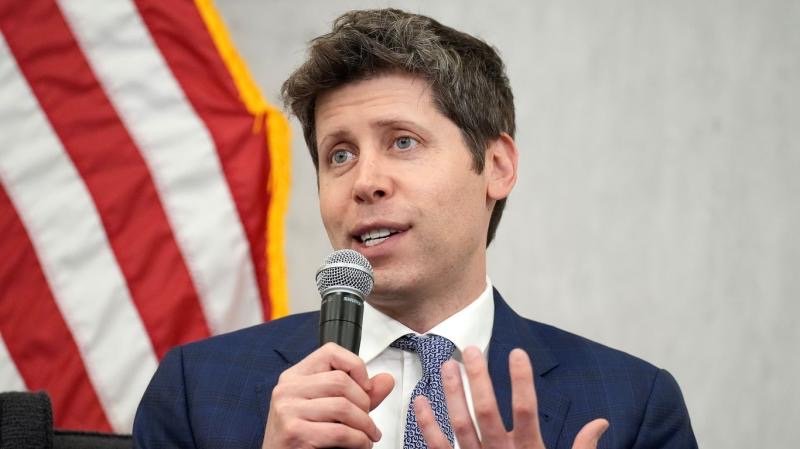
What happened next matters more than the standoff itself. Silicon Valley closed ranks. Altman told staff - then said publicly on CNBC - that he shares Anthropic's redlines. Over 430 Google and OpenAI employees signed an open letter titled 'We Will Not Be Divided'. And then, in late Friday night twist, the Pentagon accepted essentially the same redlines from OpenAI that it had punished Anthropic for holding. For HE, this is the capability-governance gap made flesh: the most powerful AI on the planet is embedded in classified military infrastructure, and who sets limits on its use is being settled by a public brawl between startup CEOs and the US President. When governance of one of the most powerful technologies on the planet plays out like this, universities teaching AI ethics are watching their case studies write themselves.
An AI Agent Just Logged Into Canvas and Did Your Degree: The Assessment Model is Over | Ghost Students 👻
It was the first - definitely won’t be the last. An AI agent called Einstein launched last week that logs into Canvas, watches your lectures, reads your essays, participates in discussions, and submits your homework - automatically, while you sleep. A bit of digging found it's a wrapper over OpenClaw that installs into your user profile, bypasses security, and requests access to cookies and browser extensions - a privacy nightmare before it even touches an assignment. It was pulled within days, but the point isn't this specific product: AI models have reached a capability where basically anyone with an internet connection can spin up functioning apps using natural language.
Danny Liu’s response cuts through the panic to the structural question underneath. Agentic browsers don't change what's possible - students could have been not-learning through copy-paste from ChatGPT for three years. What they change is the automation. His reframe: stop asking 'how do we make sure students are learning' and start asking 'how do we motivate them to learn?' That means verified assessments distributed across programmes (not crammed into end-of-semester), activities that are genuinely motivating rather than completable busywork, and accepting that unobserved online activities were never reliable verification. The question for HE isn't how to detect Einstein. It's whether your governance frameworks contemplate a world where AI agents have ongoing access to student accounts - because that world has arrived.

Anthropic's AI Fluency Index: The Polished Output Trap Has Data Now | False Mastery 🧠
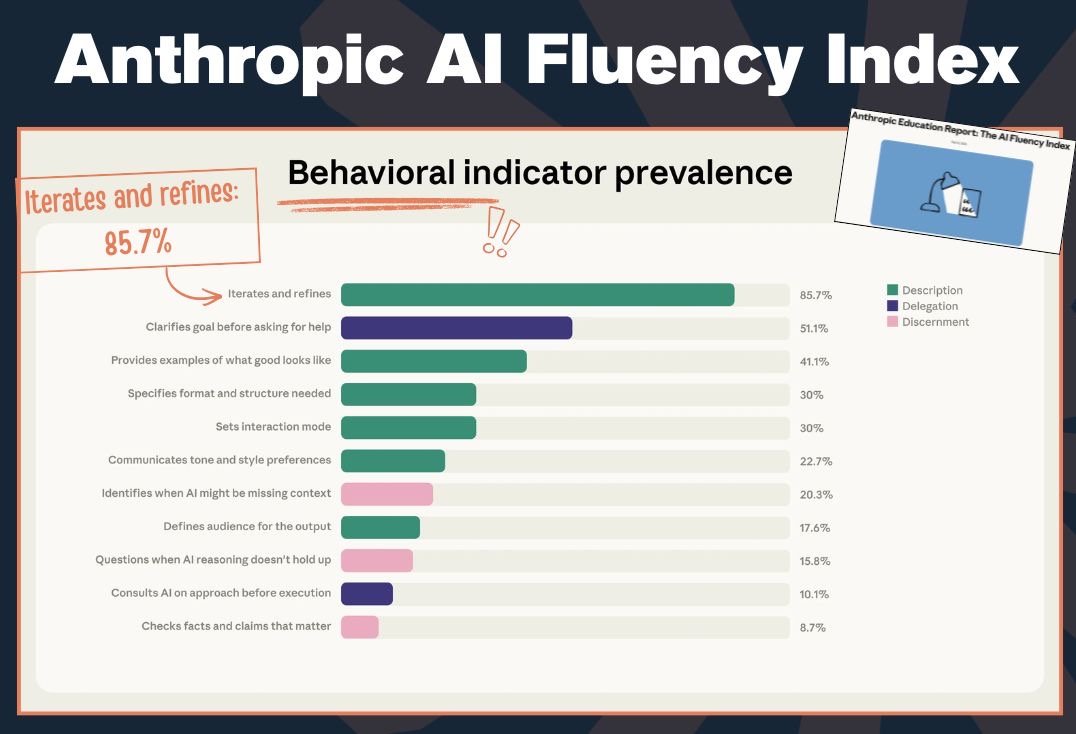
Anthropic's new AI Fluency Index studied nearly 10k Claude conversations and found something universities need to sit with. The strongest predictor of AI fluency isn't technical skill - it's iteration. Users who treated AI responses as starting points rather than answers showed double the rate of every other fluency behaviour. But then - when AI produced polished outputs - apps, code, documents - users were less likely to question its reasoning or identify missing context. The more finished something looks, the less people interrogate it. After all, most people still use AI like a search engine - type question, get answer, walk away. That's not fluency. That's attendance.
The implications for HE are sharp. Students producing polished artefacts are doing more to direct AI upfront (clarifying goals, specifying formats, providing examples) but less to evaluate what comes back. Not a single top fluency indicator is a technical skill - they're all things you do when working with a smart colleague. Institutions still measuring AI adoption by how many students logged into Copilot are measuring attendance, not learning.
AI Makes You Faster But Not Better: The Skill Erosion Problem Gets Its Receipts | Broken Ladder 💼
The pattern keeps showing up across professions. Colin S. Levy's 'Human Judgment and AI in Legal Practice' documents it systematically: AI hallucinates case citations at significant rates, over 600 lawyers have cited fabricated authority nationwide, and the cognitive traps are specific - automation bias (accepting conclusions without evaluating reasoning), false confidence (polished writing masking deficient analysis), and confirmation bias amplification where AI supports your framing rather than challenging it. Then a new randomised controlled trial sharpens the point: learners using AI assistance scored significantly lower on comprehension and debugging - the exact skills needed to supervise AI-generated work. Those who fully delegated finished faster but learned the least. The researchers' warning: as workplaces shift to AI-generated output with human oversight, the humans overseeing may lack the skills to catch what AI gets wrong - precisely because AI stunted their development.
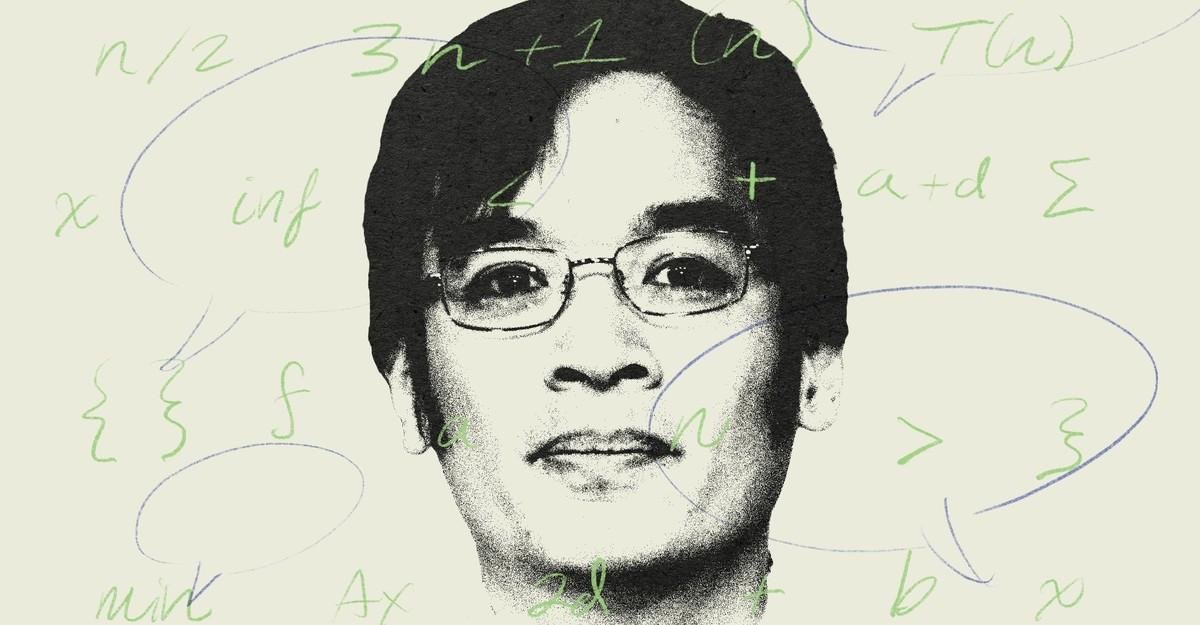
Terence Tao - widely considered one of the greatest living mathematicians - nails the metaphor: hard problems used to be distant locations you'd hike to, laying trail markers and making maps along the way. AI is a helicopter drop to the destination. You arrive faster but miss the journey that built the understanding. Levy's practical version: if you cannot explain the reasoning behind an AI-generated argument without referring back to the output, the AI is doing your thinking for you. The question for HE is whether we're building graduates who hiked the trail - or ones who got helicoptered to competence and can't find their way back without the machine.
From Cave Paintings to AI Patients: What Tsinghua and ASU Are Actually Building | What's Next 🔬
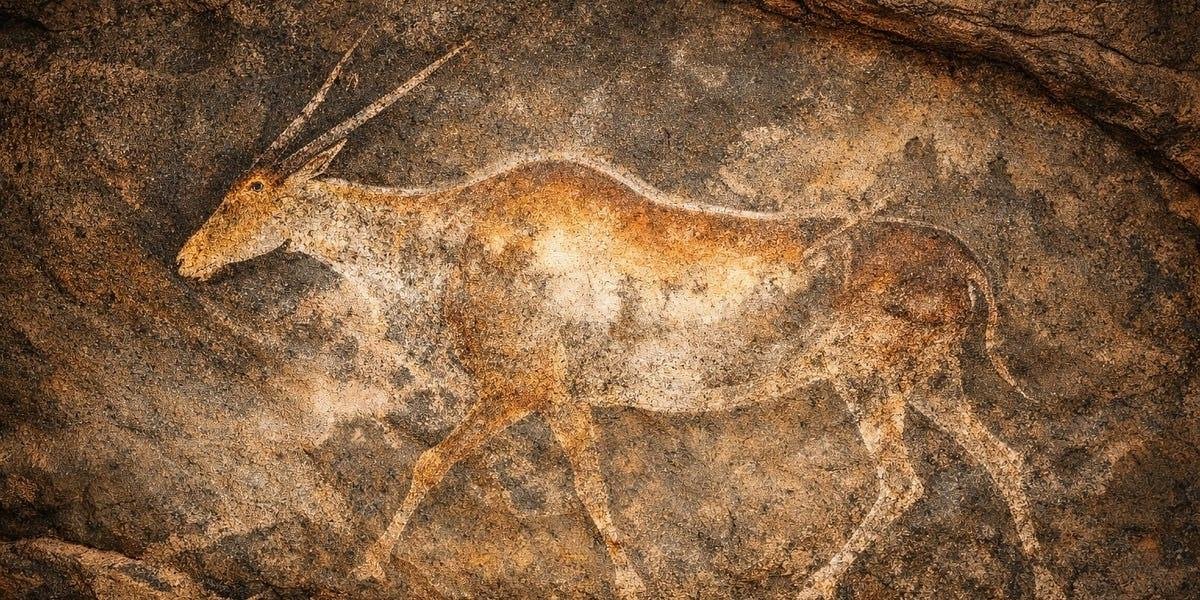
While Einstein automates busywork and the skill formation research shows AI eroding expertise, two developments this week show what building with AI looks like. Rupert Wegerif's essay starts with cave paintings and arrives at Tsinghua and BUPT - Chinese universities using AI not to replace teaching but to scale something closer to a teaching relationship. Tsinghua's MAIC model deploys multiple AI agents as instructor, teaching assistant, and peer, creating structured dialogue rather than content dumps. BUPT's TruFar platform goes further: students build educational tools for each other, with assessment shifting from what an individual can reproduce to what a team can design, iterate, and sustain together. Meanwhile, ASU’s Praxis AI puts this into clinical practice. Medical students interview AI-powered patient avatars with layered histories, comorbidities, and emotional responses that shift based on the student's questioning. The system evaluates not whether you completed the interaction but how you demonstrated clinical reasoning and empathetic communication.
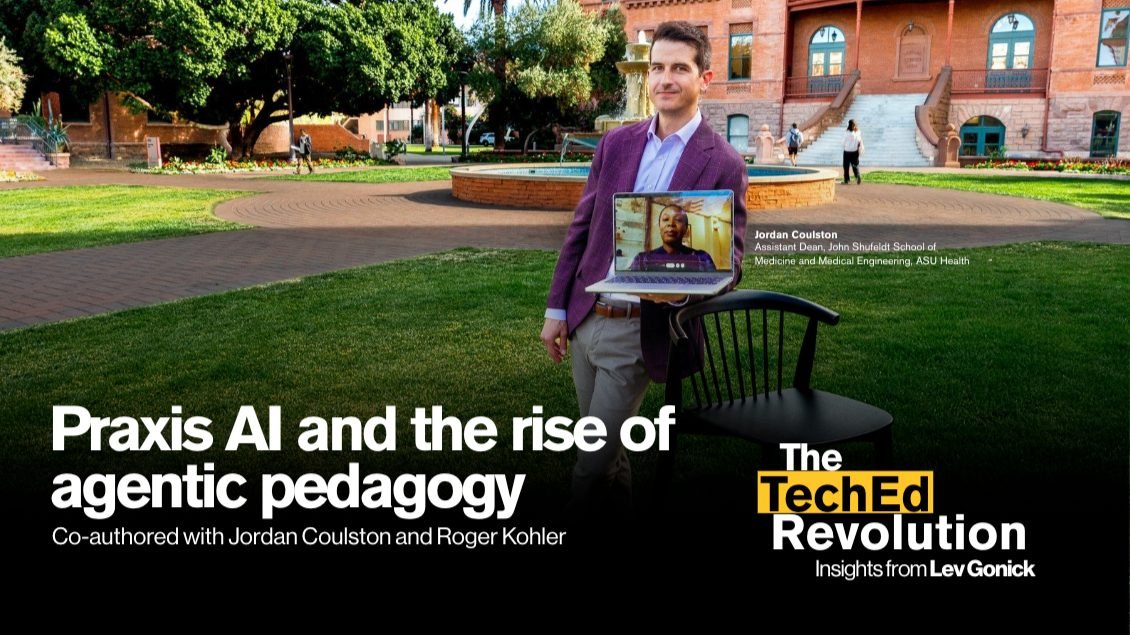
The pattern across both is the same: AI assessing capability, not completion. Lev Gonick's framing is sharp - passing a multiple-choice test doesn't guarantee readiness for a complex human encounter, so ASU captures evidence of demonstrated proficiency that travels with the learner. Wegerif's is broader - universities won't vanish but may become less about delivery and more about convening the seminars, tutorials, and projects that anchor a wider technologically mediated learning ecology. Together they answer the question hanging over every other story this week. If AI erodes skills through delegation but strengthens them through structured dialogue, the institutional choice isn't whether to use AI - it's whether you design for the helicopter drop or the hike.
A startup told the Pentagon no and the President intervened. An AI agent did a student’s degree while they slept. Polished outputs made people less likely to check the reasoning. Learners who delegated learned the least. Two universities built AI that strengthens judgment rather than replacing it.
The through-line is the gap between who’s deciding and who’s equipped to judge. Tao’s metaphor is the one to keep: AI is the helicopter to the destination, but the journey built the understanding. The question - for HE, for the military, for the profession - is whether anyone’s still learning the trail.
What's that? Want more analysis?
80% of Startups Are Quietly Building on Chinese AI: The Adoption War Nobody Expected | Adjunct Intelligence 🎙️
DeepSeek matched OpenAI for $6 million. Airbnb ditched ChatGPT for Alibaba's Qwen. And Beijing just mandated AI education for every school student in the country. The adoption war played out in 2025 - Dale Leszczynski and I break down what it means for the students we're preparing and why teaching one AI tool is already a losing strategy.