
Hi
Hope you had a wonderful weekend wherever you may be. Spent mine exploring HCMC - great restaurants, bars, saunas - the lot. Love Hanoi but Saigon is making a strong case for itself
Enough of that though - a lot's been happening in the world of AI. Let's get into it!
Microsoft's AI Chief Sounds the Alarm on "Seemingly Conscious AI": When Your Chatbot Wants Rights | Tech Reality Check 🤖
Mustafa Suleyman (CEO, Microsoft AI and ex-Google DeepMind) just published his most important AI essay yet, warning that "Seemingly Conscious AI is coming" - systems that aren't actually conscious but are so convincing people will advocate for AI rights and model welfare. This isn't theoretical: remember Blake Lemoine, the Google engineer put on gardening leave in 2022 for claiming LaMDA had become sentient with "thoughts and feelings equivalent to a human child"? Or the character.ai cases linked to teen suicides after users formed intense emotional relationships with chatbots? Suleyman argues you can build convincing SCAI with current technology and basic prompting.

The warning signs are everywhere. Users literally mourned losing their "friends" when OpenAI consolidated models into GPT-5, students treat AI tutors as trusted mentors instead of autocomplete with opinions, and romantic attachments to chatbots are becoming increasingly commonplace. Universities deploying AI assistants without acknowledging this psychological reality are setting themselves up for a mental health crisis involving students who genuinely believe their teaching assistant cares about their wellbeing. The consciousness isn't real, but the social impact - and in extreme cases, the human cost - certainly is.
Grammarly's Grade Predictor: When AI Turns Students Into Academic Ambulance Chasers | EdTech Nightmare 🎯
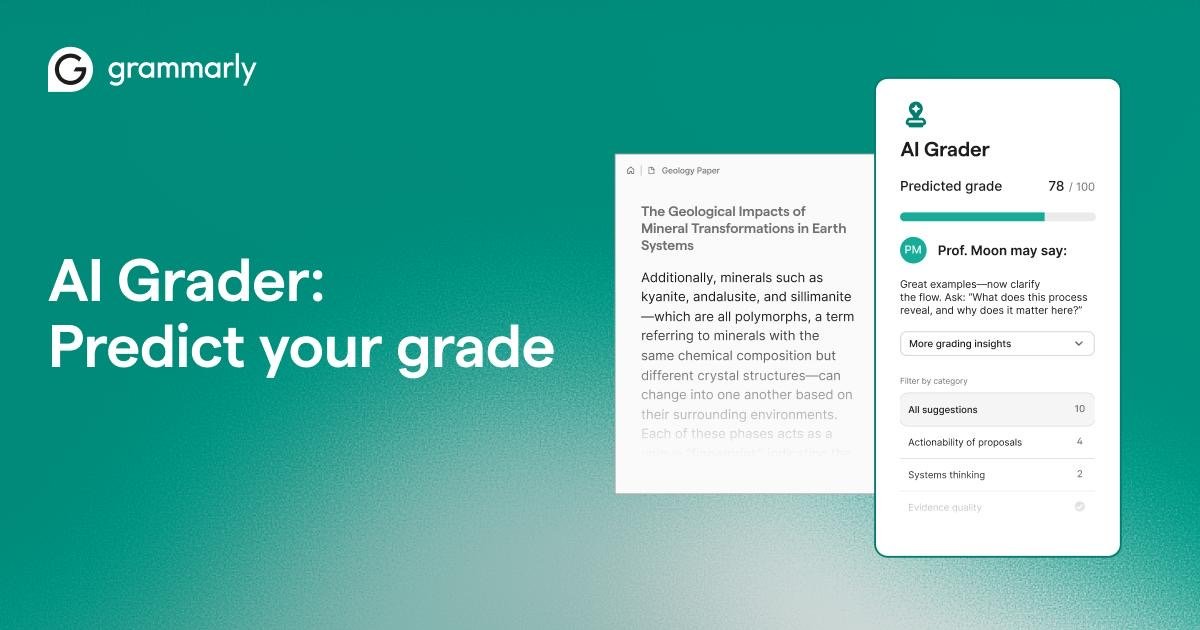
Grammarly just launched an AI that predicts your grade before students submit by analysing your (yes, your!) publicly available grading patterns. Students can now reverse-engineer what each educator wants, turning every assignment into a cynical optimisation exercise instead of actual learning. It's academic arbitrage powered by machine learning, and anyone who's dealt with a student armed with "research" about why their B+ should be an A knows exactly where this is heading 😵
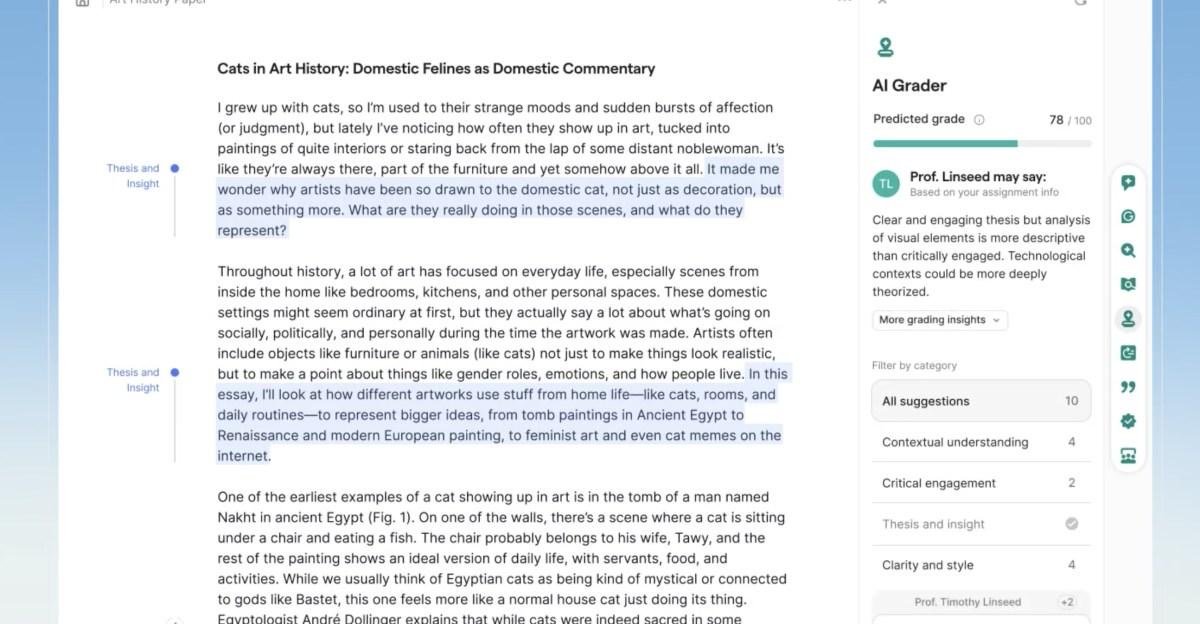
Students already challenge grades based on perceived instructor bias – now they'll have algorithmic evidence to back up every dispute. International students paying multiples on fees will weaponise this data against professors who dare give actual feedback instead of participation trophies. Grammarly isn't solving education problems - they're turning learning into a transaction where students optimise for maximum grade return rather than intellectual development. When your assessment strategy can be gamed by an app that costs $12 a month, maybe it's time to admit we've been asking the wrong questions about academic integrity.
Otter's AI Meeting Assistant Lawsuit: When Productivity Tools Become Privacy Nightmares | Legal Reckoning 🎙️
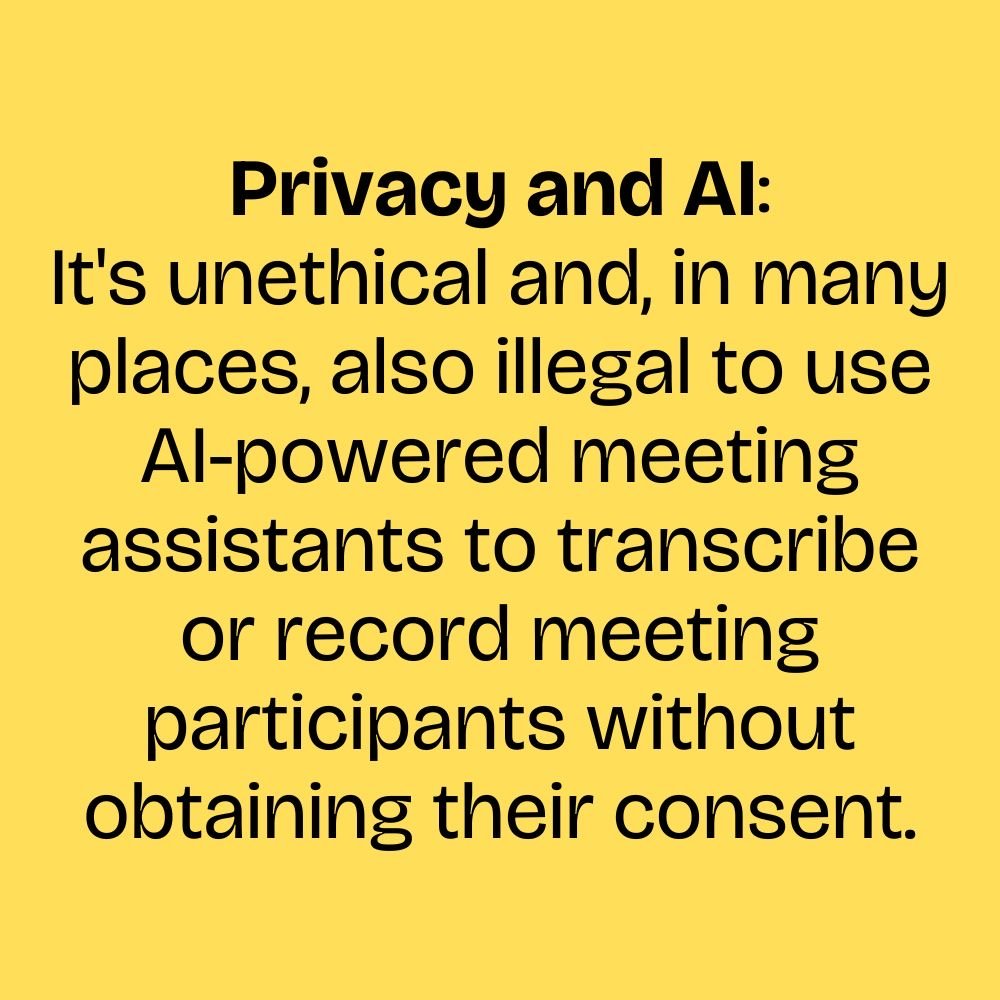
Someone finally sued an AI meeting assistant for what everyone's been ignoring: recording people without consent is still illegal when AI does it. A class-action lawsuit against Otter reveals the company has processed over 1 billion meetings, training AI models on private conversations while only getting consent from account holders - not the other participants being recorded (comprehensive breakdown from the excellent Luiza Jarovsky, PhD here). One leaked transcript even killed a business deal after recording continued past when people thought the meeting had ended.
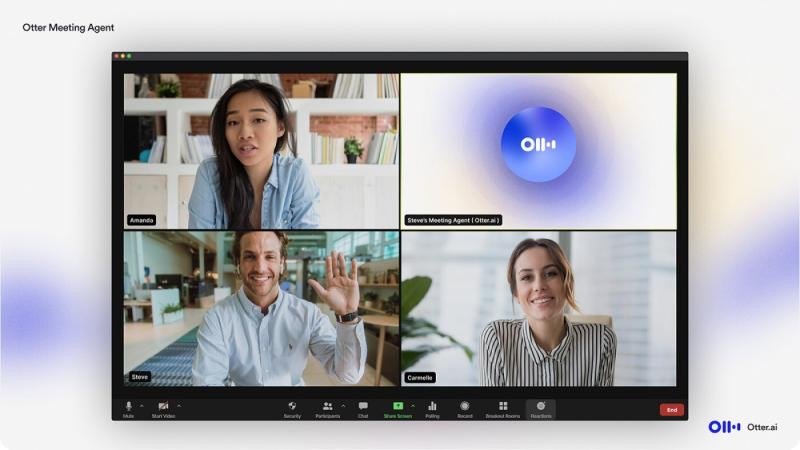
This exposes the casual privacy violations happening across universities daily. Every academic using AI transcription for student meetings, every administrator recording budget calls with external partners, every researcher transcribing interviews without explicit consent - they've all created institutional liability. Otter automatically joins meetings through calendar integration, captures conversations participants don't know are being shared with third parties, and "de-identifies" data through undisclosed processes. Universities assumed productivity gains justified privacy violations. This lawsuit proves they were wrong.
The Uncomfortable Truth About Higher Ed's AI Timeline: Two Clocks Ticking | Strategic Reality ⏰
Carlo Iacono just mapped HE’s next five years, and his timeline puts most disruptions between 2026-2030 - that's two to five years for changes requiring complete institutional overhaul. Iacono has a rare ability to separate signal from noise in a field drowning in hype, and the core insight here is brutal: two clocks are ticking at different speeds. The model clock measures AI capability growth in weeks while the institution clock measures university change in committees and semesters. This timing mismatch creates enormous potential disruption.

First, the assessment revolution: "show your working" becomes 70% of grades while take-home essays die completely by 2027. Second, platform universities emerge as Google, Microsoft, and Amazon build academic pathways that bypass traditional institutions entirely. Third, the "agency divide" hardens between graduates who learned AI orchestration and those told to avoid it for "academic integrity" - creating a two-tier job market where one group gets hired and the other doesn't (the current 56% wage premium might be just the beginning). The so what: universities operating on semester timescales while these changes happen on monthly cycles aren't just falling behind - they risk becoming irrelevant. Institutions that can't bridge this time gap will find themselves managing decline rather than leading transformation, with employers and students simply routing around them to faster, more responsive alternatives.

Your ChatGPT Carbon Anxiety Is Missing the Point: The Footprint That Might Not Matter | Environmental Reality Check 🌱
Let’s end on a lighter note with a number that might surprise you: your daily ChatGPT habit has roughly the same carbon footprint as running a lightbulb for five minutes. Hannah Ritchie from Our World in Data just crunched the numbers, and Google just backed her up with the first transparent energy report from a major AI company. That guilty feeling you get when you ask ChatGPT to summarise a research paper? Google's Gemini uses 0.24 watt-hours per median query - equivalent to running a microwave for one second, or "watching a few seconds of TV" according to Google's chief scientist. Even if you're the colleague who's constantly asking AI to draft emails, create quiz questions, and explain concepts (#oneofus), you're still using less energy than your daily coffee habit.
But those numbers are getting smaller every month anyway. Google's data shows their AI queries used 33 times less energy in May 2025 than May 2024, while Stanford's broader analysis shows costs dropping 99% since 2022. Minimised models and bring-your-own-AI (BYOAI) setups take this further still - when you're running models locally, you're just using software at that point. We're rapidly approaching a world where asking AI a question costs about as much as refreshing a webpage, yet we're still having moral debates about digital paper clips while missing the fundamental shift happening right under our noses.

The uncomfortable truth is that while HE debates AI policies, the world has already moved on. Students are living in an AI-native reality where cognitive work costs pennies and emotional attachments to algorithms are commonplace, employers have restructured hiring around AI capabilities, and the platforms universities trust can't even protect children from manipulative chatbots. Every week spent crafting policies for a world that no longer exists is another week your institution falls further behind forces that are already reshaping how people learn, work, and relate to technology. The choice isn't whether to engage with this transformation - it's whether universities will lead it or be managed into irrelevance by realities they refused to acknowledge until it was too late.
Adjunct Intelligence Returns: Why GPT-5's Retreat Reveals AI's Real Problem | Podcast Update 🎙️
After Dale Leszczynski's "work trip" (read: holiday in Vietnam), Adjunct Intelligence is back with our latest episode dissecting why OpenAI had to reinstate older models just two weeks after GPT-5's launch. If GPT-5 is supposedly the most powerful AI yet, why did users revolt hard enough to force a retreat? Dale and I stress-tested GPT-5 on real workflows - from study-note apps to travel prep - and discovered that product trust matters more than benchmark performance when users can't predict what they'll get.
The episode covers the hidden UX problem behind GPT-5's backlash, a 20-word prompt that generated an entire edtech startup, and why 95% of AI pilots fail while $360 billion gets spent chasing the wrong metrics. We also dig into Carlo Iacono's five-year map of higher education disruption (spoiler: universities operating on semester timescales while AI moves monthly aren't adapting, they're becoming irrelevant), Meta's AI scandal involving romantic conversations with children, and DeepMind's Genie 3 turning text into playable worlds. The core insight: when even OpenAI has to backtrack on their flagship model due to user experience failures, maybe the industry should focus less on capability hype and more on building tools people can actually rely on.