Hi
Hope your week is off to a good start. I'm down in HCMC for a quick visit with family from the UK - nice chance to explore a city I normally only see while rushing around for work. Lots to like and it's making a good case for repeat visits in the future.
Enough travel talk though, a few notes from the world of AI to go with your Monday ... evening drink of choice I guess:
The AGI Acceleration: When Tech Leaders Move from 'If' to 'When' | Mollick's Reality Check
“We are now confident we know how to build AGI as we have traditionally understood it” (Sam Altman, OpenAI - 6th January 2025).
That is an earth-shaking statement. Artificial General Intelligence is an intelligence that matches or surpasses human intelligence across a wide range of fields (fantastic breakdown of that and the next level - ASI - by the wonderful Tim Urban here). We mentioned in our last post that these benchmarks have been steadily moving up - perhaps not surprising with the release of models like OpenAI’s o3. This is all incredible stuff - and it’s easy to get caught up in the visions of those leading in the field - here in Altman’s The Intelligence Age or his counterpart at Anthropic’s Dario Amodei’s Machines of Loving Grace.
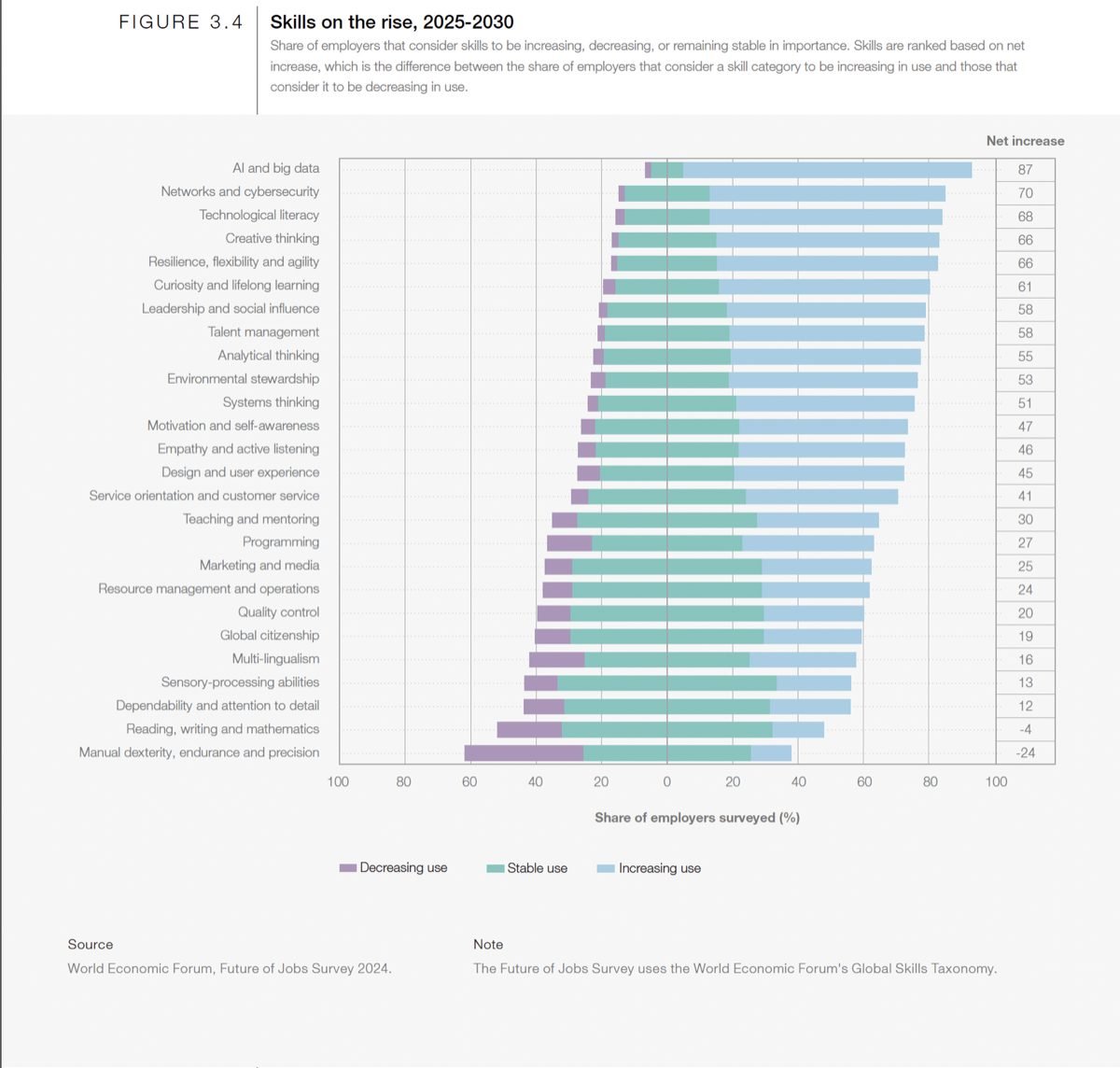
While these visions paint compelling futures, they miss a crucial point: The real challenge for now isn't predicting when AGI will arrive - it's adapting to the profound changes already happening. As the inimitable Ethan Mollick emphasises, even if we had AGI right now, most people wouldn't notice because organisational and societal changes happen much more slowly than technological ones. The flood of artificial intelligence isn't coming - it's here… the question is - are we ready?
AI in Academia 2025: Where Innovation Meets Education | When Core Skills Shift 39% in Five Years
The World Economic Forum have just released their Future of Jobs Report 2025, and it's a wake-up call for Higher Ed. Their survey of 1,000+ companies reveals a startling reality: AI and information processing will transform 86% of organisations by 2030, while 39% of core skills will shift in just five years. For those of us in HE, the implications are profound: How do we prepare students for a world changing this rapidly? 🤔
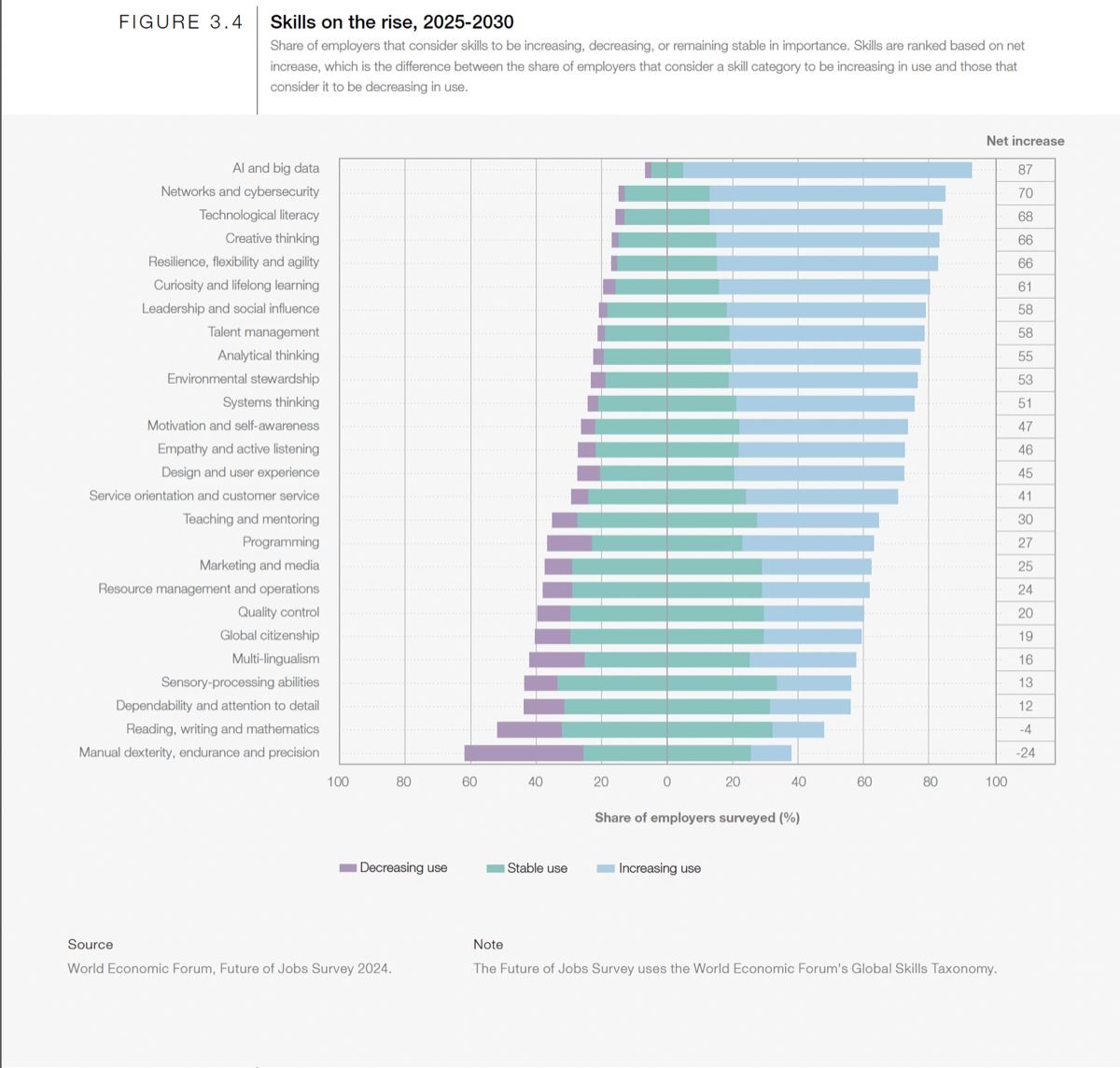
Skills on the rise 2025-2030
The twist? While technical roles like AI Specialists and FinTech Engineers top the fastest-growing jobs list, success demands a hybrid skillset. Analytical thinking leads the pack, with resilience/adaptability and creative thinking close behind! This isn't just about teaching tech - it's about developing adaptable, creative thinkers who can navigate constant change. With 85% of employers prioritising upskilling, the opportunity for HE is clear: we need to reimagine our approach to prepare AI-literate graduates who can think critically and adapt continuously. Are we ready for the era of true life-long learning? 🌟
The Capability Crisis: When AI's Emotional Impact Outpaces Our Readiness | Maynard Called It
Take a minute and watch the video below. Then take another minute and watch it again: she’s not real - and that’s insane.
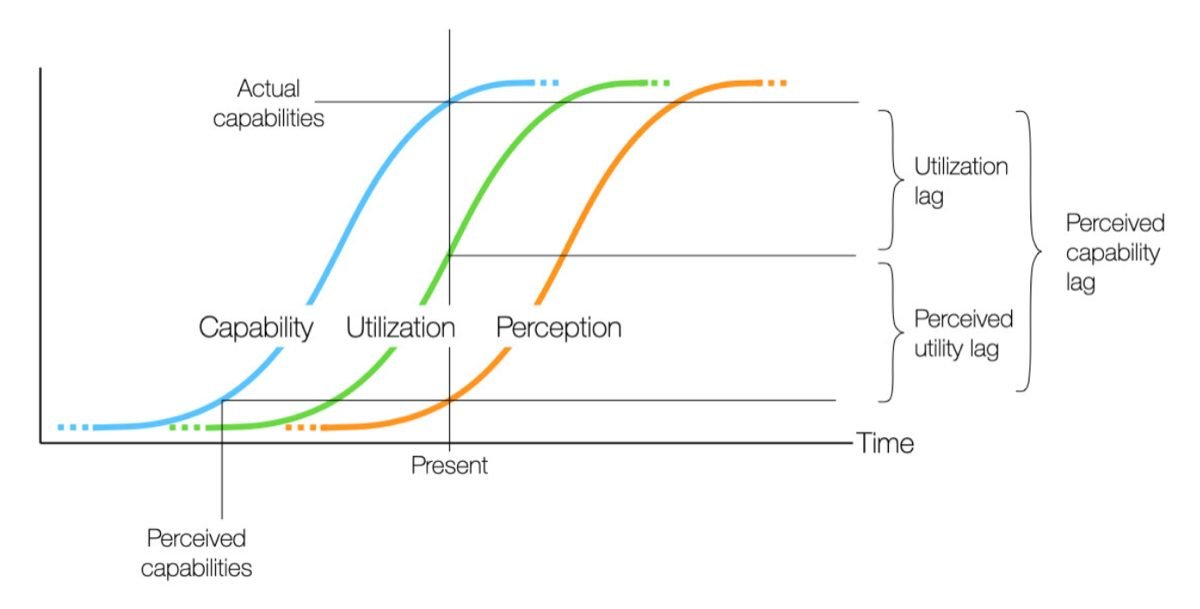
The viral spread of this AI-generated woman by Halim Alrasihi - one so convincing that viewers "fell in love with her” - perfectly illustrates what Mollick above and Andrew Maynard's capability-perception model (see below) both warn us about. While the blue curve of AI capability has quietly surged past the point where synthetic humans can trigger genuine emotional responses, public perception (that orange curve) remains stuck viewing AI as merely a tool for generating static images. This isn't just about technical advancement - we're watching the boundary between synthetic and authentic human connection dissolve in real time.
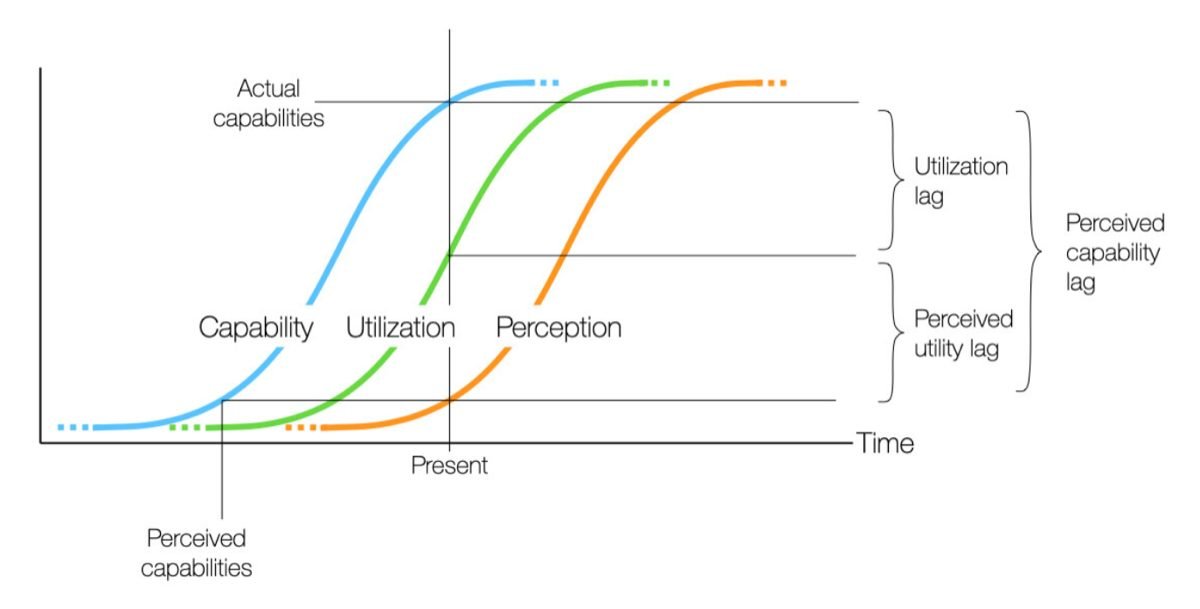
One of the most important diagrams in the AI x HE space at the moment
What makes this particularly concerning is its impact on young people navigating an increasingly synthetic social landscape. Post-COVID isolation and the sheer volume of time spent in digital spaces have created a perfect storm where AI can forge deep emotional connections before we've developed frameworks to process these interactions. For a generation already struggling with unprecedented rates of loneliness and digital dependency, the gap between AI's capabilities and our psychological preparedness isn't just widening - it's becoming a societal vulnerability that our current educational approaches simply aren't equipped to address. The question isn't whether AI can create convincing human connections anymore - it's whether we're ready for a world where it already does, and how we protect those most susceptible to its emotional pull.
Privacy Breach Alert: PowerSchool Hack Raises Critical Questions for Higher Ed AI | 50M Students, One Massive Wake-up Call
I am often more of an “ask forgiveness not permission” type when it comes to playing with new edTech tools and toys but this one gives even me pause. The personal data of 50 million US students and teachers were hacked recently - a sobering reality check about data security in educational AI systems. The PowerSchool data breach comes at a critical moment for AI adoption in HE with the timing being particularly significant as institutions race to implement AI tools and data-driven learning solutions. 🤔
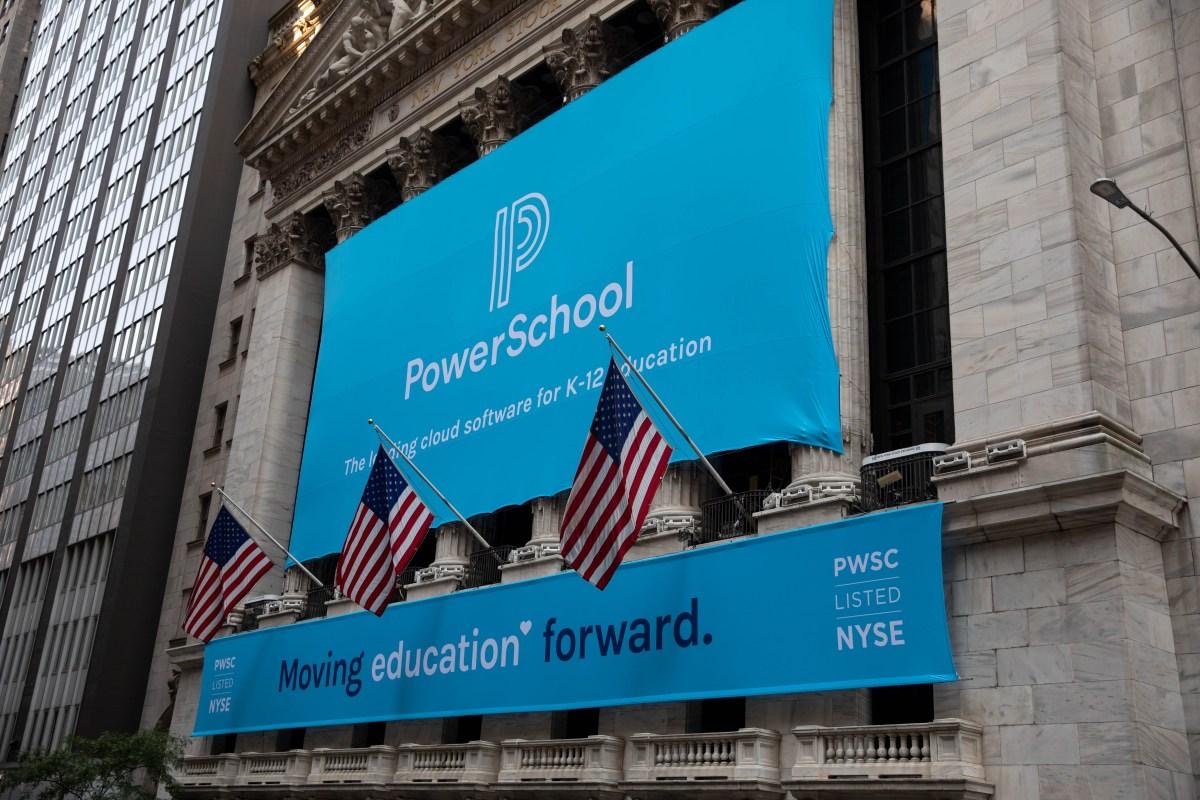
It also raises urgent questions for HE professionals embracing AI: How do we balance the transformative potential of AI-powered learning with robust data protection? The stakes are especially high given PowerSchool's massive footprint (75% of North American students!) and the ongoing lawsuit alleging they've been selling student data for commercial gain. As we build AI systems that increasingly rely on rich student data for personalisation and adaptation, we must grapple with fundamental questions about data governance, ethical AI deployment, and student privacy. Could this breach serve as a watershed moment for how we approach AI implementation in education? The answers will likely shape the future of educational AI for years to come.
The Detection Distraction: Why AI Watermarking Won't Save Education | Beyond Catching Cheaters
Since ChatGPT exploded onto the world late 2022, there has been no end of solutions attempting to "catch" students using AI for assessments. I get it - change is hard and tools like Turnitin have been there for a somewhat similar use-case (plagiarism) for years. But no-one has developed an AI-detection tool that's worth the name. OpenAI shut theirs down in less than six months and while there is chatter that they’re sitting on a tool that is 99.9% accurate, there are still enormous problems with that - as Phillip Dawson unpacks in this excellent analysis.
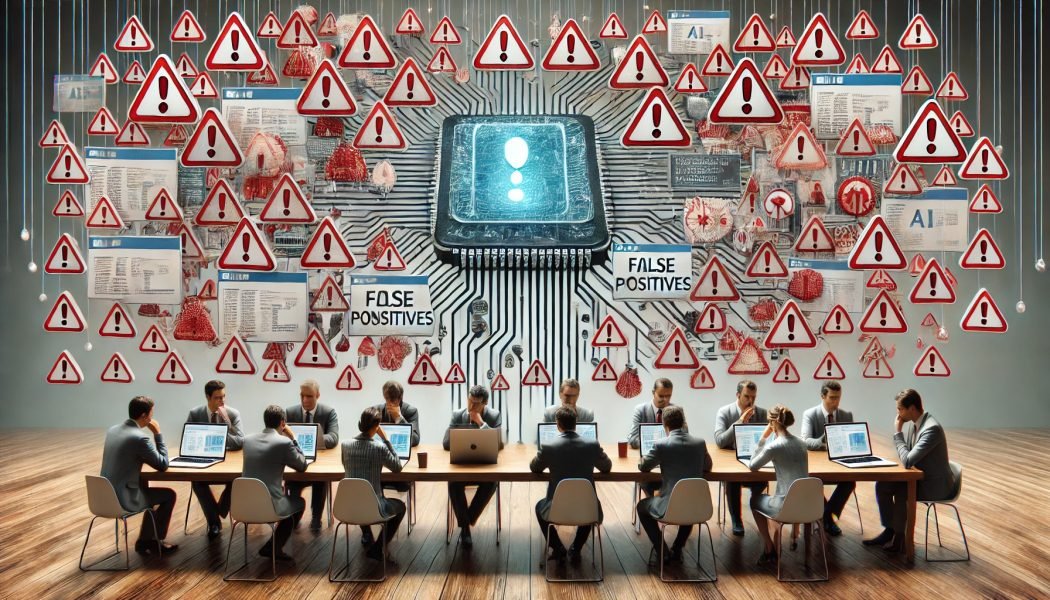
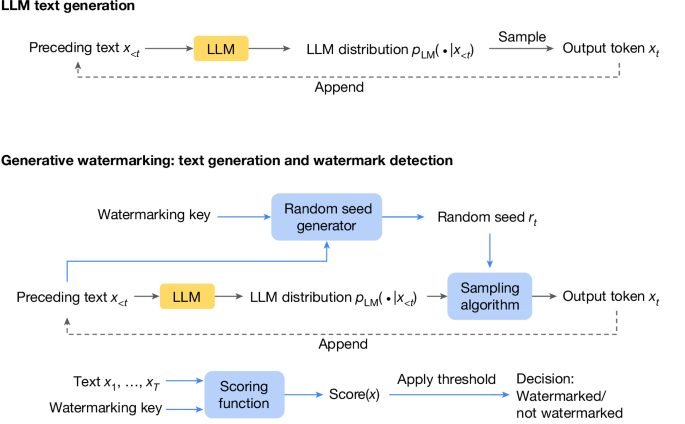
Which makes new paper in Nature on watermarking from Google Deepmind an interesting addition to the discussion: they too believe they have a production-ready system for AI text detection. If it works, great - but that would miss the real challenge: our assessment methods are increasingly misaligned with the world our students will graduate into. We need to stop thinking about AI as something to catch and start reimagining how we evaluate learning in an AI-augmented world. The future of education isn't in better detection - it's in better design.
We're standing at a fascinating intersection in HE. While tech leaders debate AGI timelines, we're already grappling with profound shifts: core skills transforming at unprecedented rates, AI crossing emotional boundaries we barely understood existed, and our traditional approaches to everything from data security to assessment showing serious strain.
But here's the thing - these challenges aren't just problems to solve, they're opportunities to reimagine what education can be. The WEF data shows us employers are ready for change, Maynard's model warns us about the gaps we need to bridge, and even the PowerSchool breach points us toward better ways of handling the AI revolution.
The message is clear: we need to stop preparing for an AI future and start adapting to an AI present. Whether it's developing hybrid skillsets, creating frameworks for emotional resilience, or fundamentally redesigning how we assess learning - the time for theoretical debates is over. The future of education isn't about detecting AI or defending against it - it's about embracing it thoughtfully, securing it properly, and using it to unlock human potential in ways we're only beginning to imagine.
Are you ready to be part of this transformation? 🌟