Hi
Hope you had excellent weekends wherever you may be. We have family visiting us so am writing this riverside by the Mekong in Luang Prabang, Laos 🇱🇦 - if you've not been, I hugely recommend it - wonderful relaxed spot to while away a few days.
Anyway, enough travel talk - a few notes from the world of AI to kick off your Monday:
The Altman Ultimatum: AI's Rapid Rise and Bold Predictions
What a difference a year or two makes ⏳. As we start to wind down into Q4 2024, AI is increasingly ubiquitous with ~40% of US adults aged 18-64 US using AI in August of this year with over 10% using it every workday.
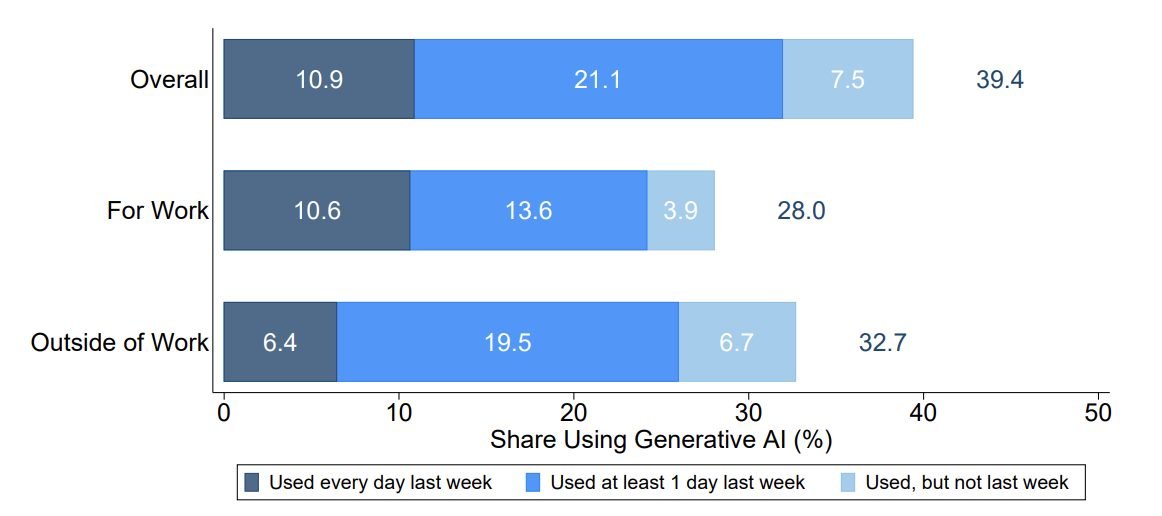
and you wonder how this would break down across age-groups as well... 🤔
This is especially interesting when you contrast this data with other recent world-changing technologies - e.g., personal computers and the internet:
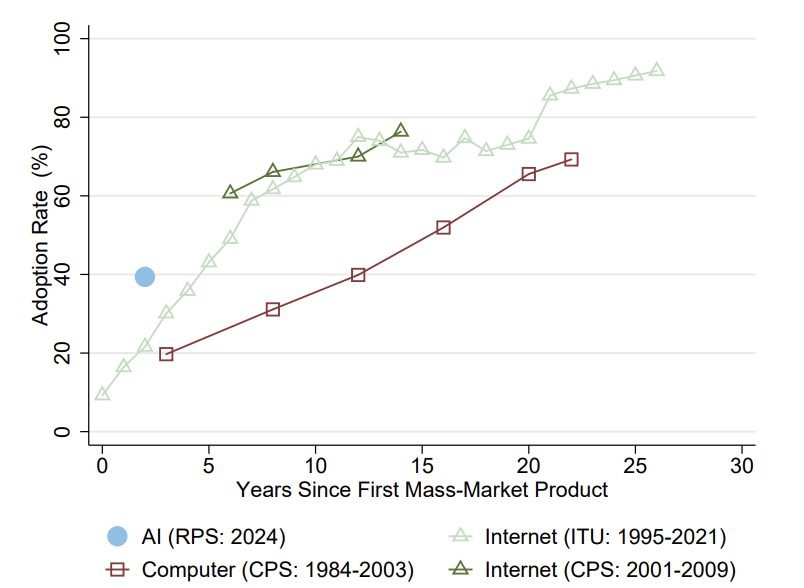
Is that two years in at 40%?!? Madness
The trajectory of AI adoption has been nothing short of rocket-like. At the same time, the cost of running peak, GPT-4 level AI has plummeted by as much as 99% - a truly transformational shift that's changing the technological landscape at breakneck speed. 🚀
We’ve come a long way fast - which makes Sam Altman’s recent blog post about superintelligence arriving in "a few thousand days" #bigtalk
Or is it all hype? Great stress-testing of the promises of “shared prosperity” and “fixing the climate” here in Sam Altman catapults past founder mode into ‘god mode’ with latest AI post. It's also worth noting that as CEO of the now-not-open/private OpenAI (more on that below), Altman is incentivised to talk up AI's potential. All that said though, his track record and insider knowledge can't be easily dismissed. Altman has been at the forefront of AI development, privy to breakthroughs like Q* (later known as Strawberry or GPT-01) months - even years before the public. He is who he is - so ignoring his predictions entirely could be risky.
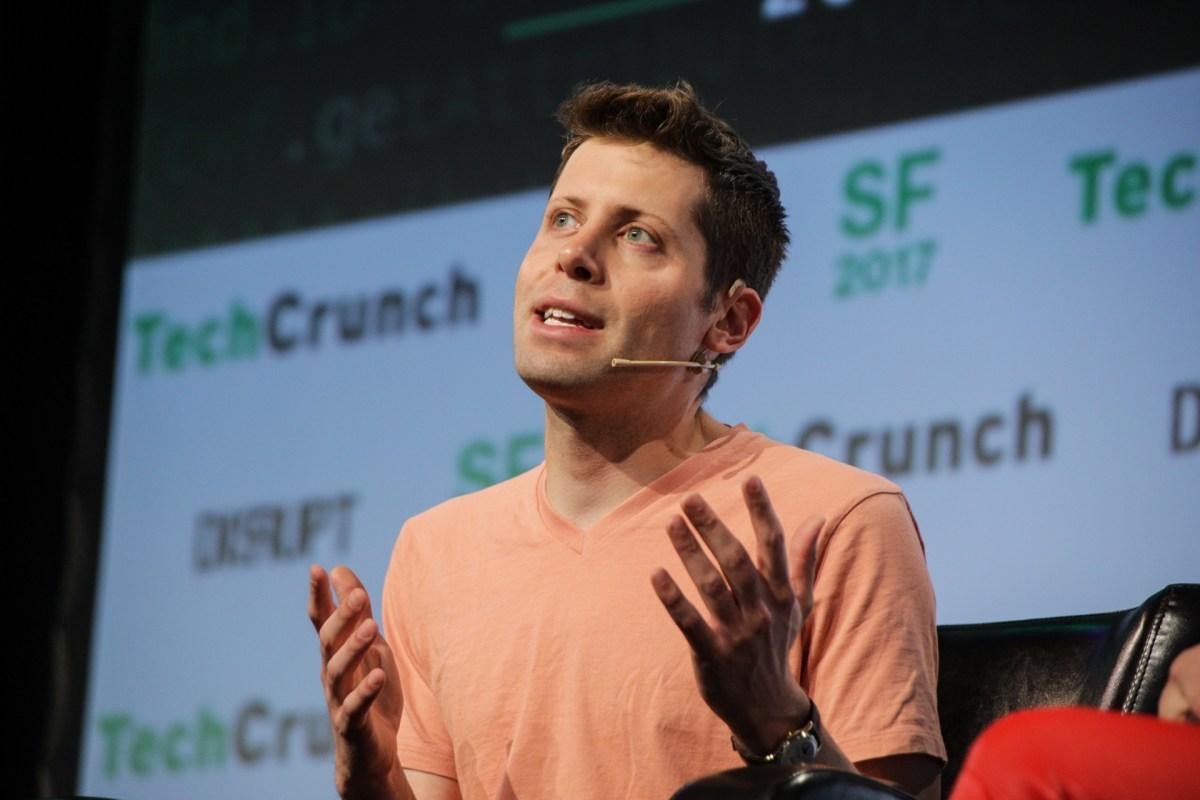
OpenAI's Leadership Exodus: The Lone Survivor
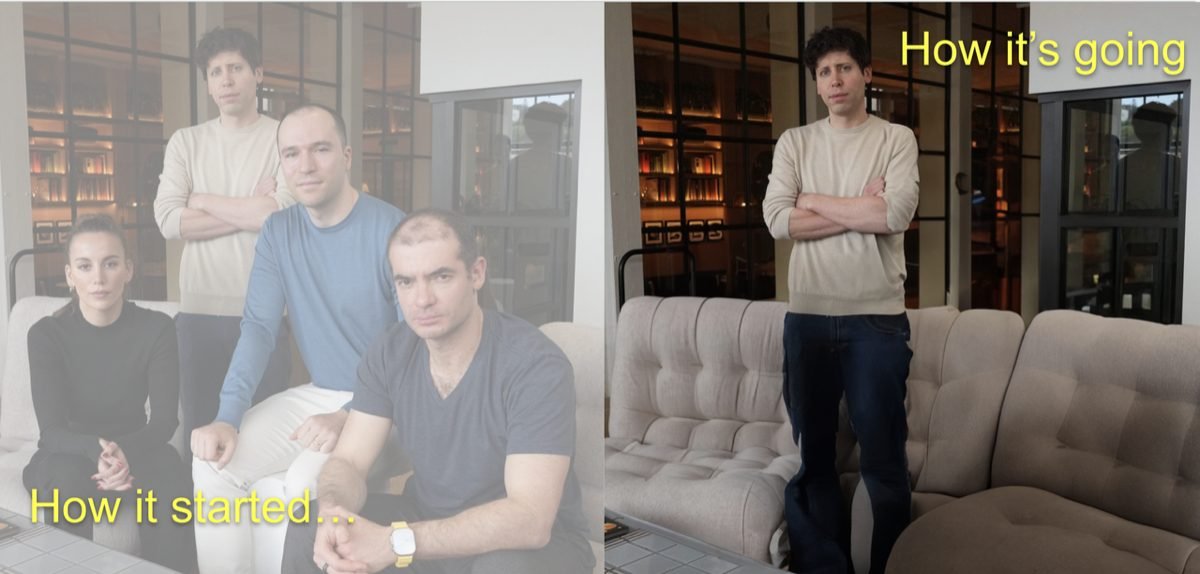
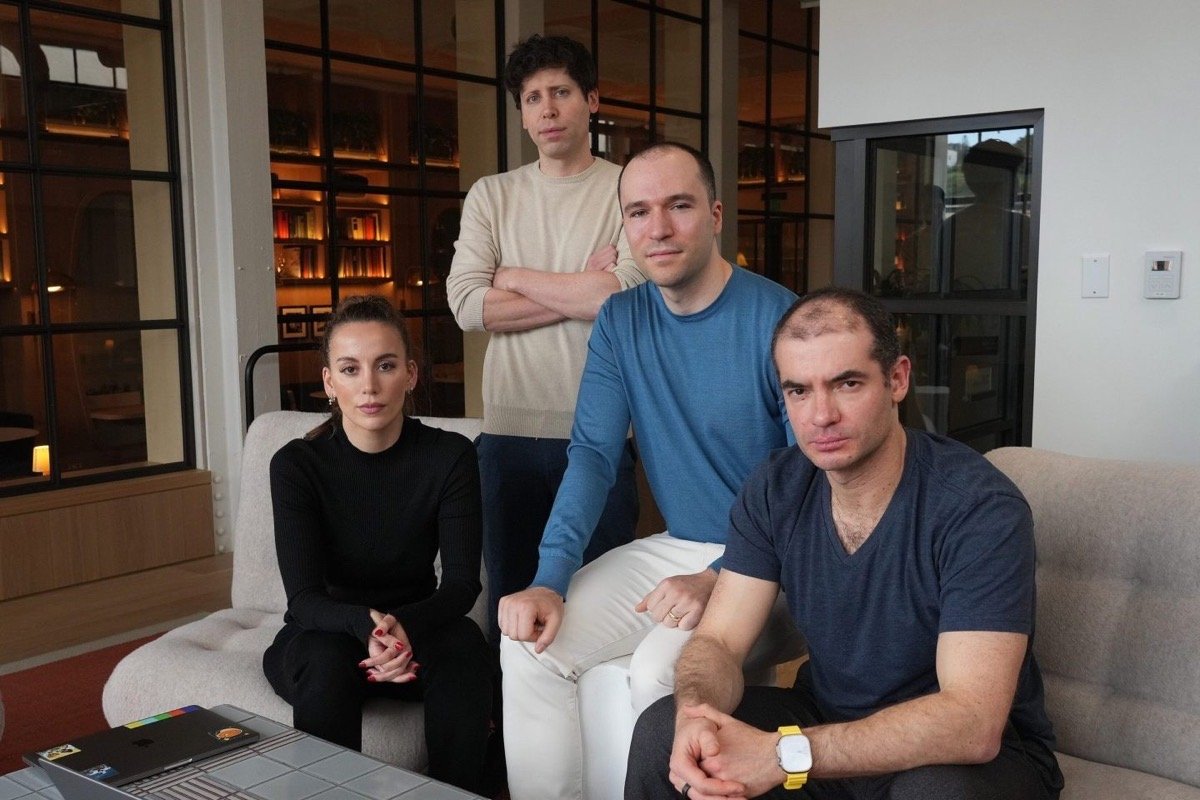
The third pic below shows the OpenAI senior executive team in March 2023 - from left to right: Mira Murati (CTO), Sam Altman (CEO), Greg Brockman (President), and Ilya Sutskever (Chief Scientist). As of 26th September 2024, only one of them is left - Sam Altman. So where have they gone - and why? 🔍
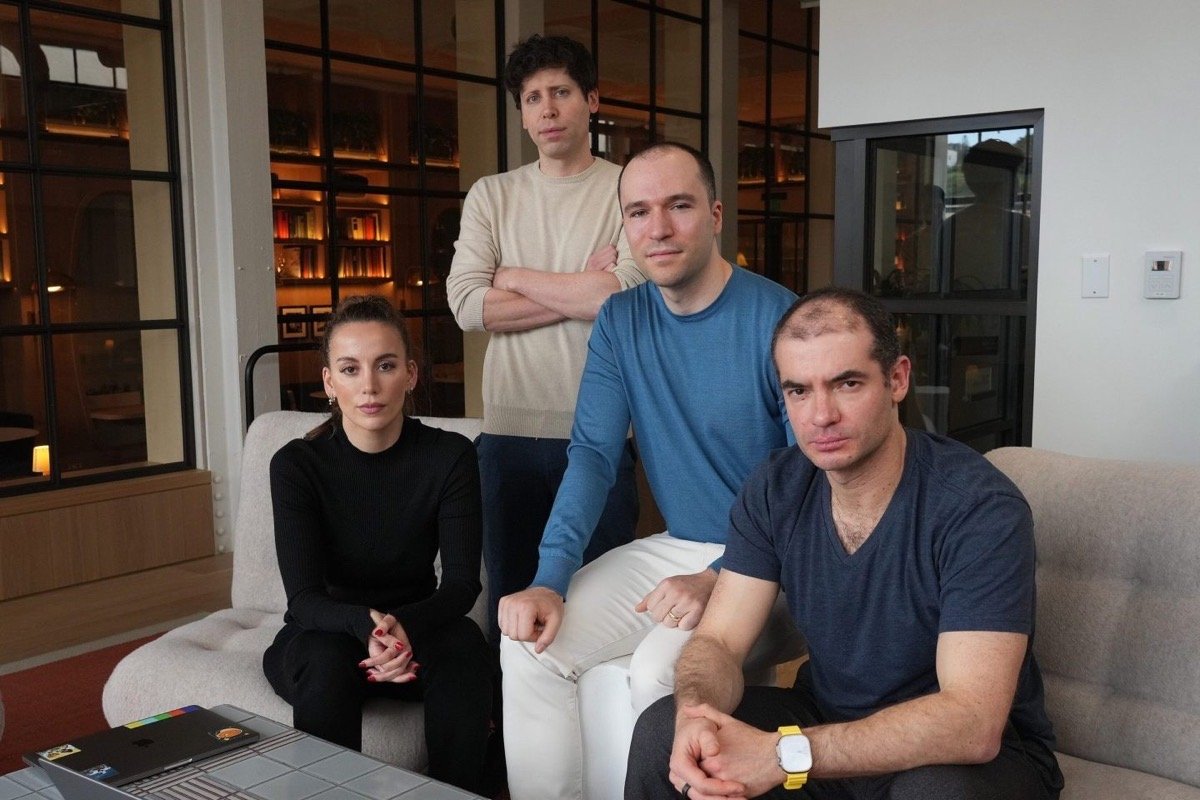
OpenAI's senior exec team ~March 2023
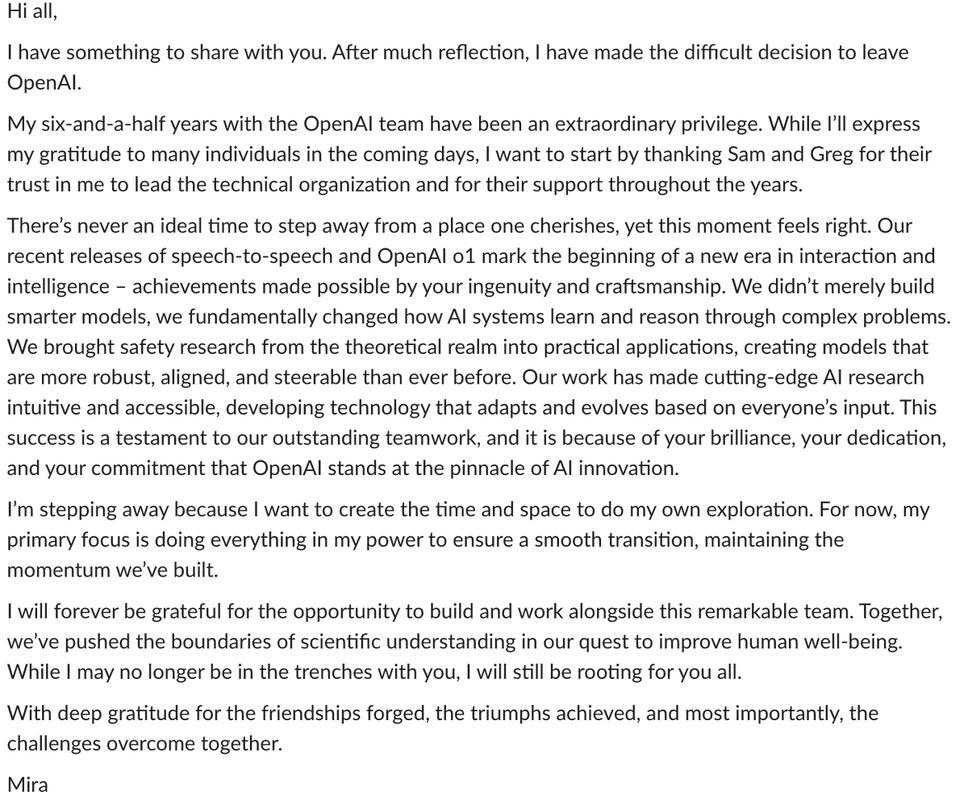
Sutskever, reportedly a primary driver behind the infighting that led to Sam Altman’s temporary ousting in 2023, left in June to start his own company (Safe SuperIntelligence 🛡️) which now has over $1bn in funding. Brockman has been on sabbatical since August and Murati, who briefly took over as CEO when Altman was ousted (and who you might also remember from her comments about creative jobs going away - but no worries, because “maybe they shouldn’t have been there in the first place”) has just resigned.
This is not the only change at the top. Since its founding, OpenAI has had an odd for-profit/not-for-profit makeup that is now going out the window - with OpenAI announcing it is becoming a for-profit enterprise and that Sam Altman stands to receive billions in equity. In the context of this change and the directly above on superintelligence, those regulations we were discussing in the last post are sounding extra appealing about now.

World Economic Forum's Wake-Up Call: The AI-Driven Job Revolution
The @World Economic Forum's latest white paper (Unlocking Opportunity: A Global Framework for Enabling Transitions to the Jobs of Tomorrow) signals a seismic shift in the job market, with 44% of job skills set to transform within 5 years and 25% of jobs evolving in just two 😲 AI and machine learning specialists are among the top 10 fastest-growing global jobs, underscoring the urgent need for HE institutions to adapt. This isn't just about updating curricula; it's about reimagining the entire educational model. How can universities foster the adaptability and lifelong learning mindset that will be crucial in an AI-driven world? It's perhaps time for institutions to ask themselves: are we preparing students for the jobs of today, or empowering them for the careers of tomorrow? 🤔

The report predicts a net shift of 14 million jobs globally by 2027, with many emerging roles directly related to AI. This transformation demands a paradigm shift in how we approach education and training. Universities must forge stronger partnerships with industry to ensure real-time alignment between academic programs and market needs. Moreover, institutions need to embrace AI themselves, not just as a subject of study, but as a tool for enhancing learning experiences and operational efficiency. Examples like Austria's 'Berufsinfomat' AI tool, which provides real-time career information, hint at the potential for AI to revolutionise career guidance and lifelong learning support. As the lines between education and career become increasingly blurred, how can HE institutions position themselves as hubs for continuous learning and reskilling throughout professionals' careers?
Bridging the AI Divide: Higher Education's Race to Adapt”
The landscape of HE is rapidly evolving, with AI emerging as a critical factor in shaping student experiences and research excellence. Several US institutions are making significant strides in AI adoption. Universities like Arizona State, Michigan, and Yale have launched custom AI tools, secured substantial funding, or partnered with leading AI companies to enhance teaching and research capabilities. These initiatives range from developing private LLMs to creating AI-powered tutoring systems and providing enterprise-level AI access to educators and students.

Alongside this, there’s a call for more investment in practical applications of AI for teaching and academic practice globally. Recent findings from a global survey conducted by the Digital Education Council shed light on the current state of AI adoption among students. According to their report, a significant majority of students (86%) are already utilising generative AI tools, with ChatGPT being the most popular choice. That said, the survey reveals a notable gap between student expectations and institutional readiness, with 80% of respondents indicating that universities are not adequately meeting their needs for AI training or preparing them for an AI-influenced workplace. With AI adoption outpacing even the internet in terms of speed (pic below) 💨, there's an urgent need for action, investment, and cross-institutional collaboration in HE worldwide to ensure that all students benefit from the transformative potential of AI in education.
Digital Time Machines: AI's Revolution in Historical Visualisation
In an era where AI is pushing the boundaries of creativity, a fantastic new frontier is emerging: the resurrection and reimagining of historical artefacts through AI-powered visual techniques. This digital alchemy, termed "Data Archaeology" 🏺 by some, employs cutting-edge technologies like style transfer and image-to-video conversion to breathe new life into the static 2D relics of our past. Great examples from Bob de Jong - Back to the Future with AI: Reimagining Historical Narratives - offer us a window into the past with unprecedented clarity and dynamism.

However, as we marvel at the ability to ‘witness’ moments from long-ago in stunning detail long-lost monuments in VR, this also raises important, profound questions about historical accuracy and representation. While these AI-driven visualisations offer exciting new perspectives on our shared heritage, they also challenge our traditional notions of historical authenticity. Still - I’d love to see me ancient cities like Babylon, Luoyang, or places like Giza or Göbeklitepe back in their heyday 🤩👀
As we've explored, AI's rapid advancement is reshaping our world, from education to the job market. The bold predictions of industry leaders like Sam Altman, coupled with the World Economic Forum's sobering forecasts, underscore the transformative power of AI. For HE institutions, the challenge is clear: adapt swiftly to bridge the AI divide and prepare students for an AI-driven future. This isn't just about updating curricula; it's about fostering adaptability and lifelong learning. As we stand at this technological crossroads, our task is to harness AI's potential while addressing its ethical implications. The future of AI isn't predetermined – it will be shaped by our decisions today. Let's ensure it's a future that serves the best interests of all society, driving innovation while maintaining our humanity.