Hi
Hope you had a great weekend wherever you are. Hanoi seems to have remembered it’s summer and turned on some beautiful weather - mixed in a bit of rain to keep us honest but my god it’s good to see blue skies 🌞
Few notes from the world of AI to kick off your Monday:
UN Warns of Information Apocalypse: AI-Driven Mis- and Disinformation Tops Global Risk List | Reality Crisis 🌍
The UN's inaugural Global Risk Report has landed with a sobering message: we're living through an era of "increasingly complex and interconnected global risks" that multilateral institutions are woefully unprepared to handle. Among the 11 "Global Vulnerabilities" identified by over 1,100 stakeholders across 136 countries, mis- and disinformation stands out as both critically important and actively unfolding - with over 80% of respondents saying it's already happening right now. The timing isn't coincidental; AI is turbocharging our capacity to generate convincing falsehoods at unprecedented scale and speed.
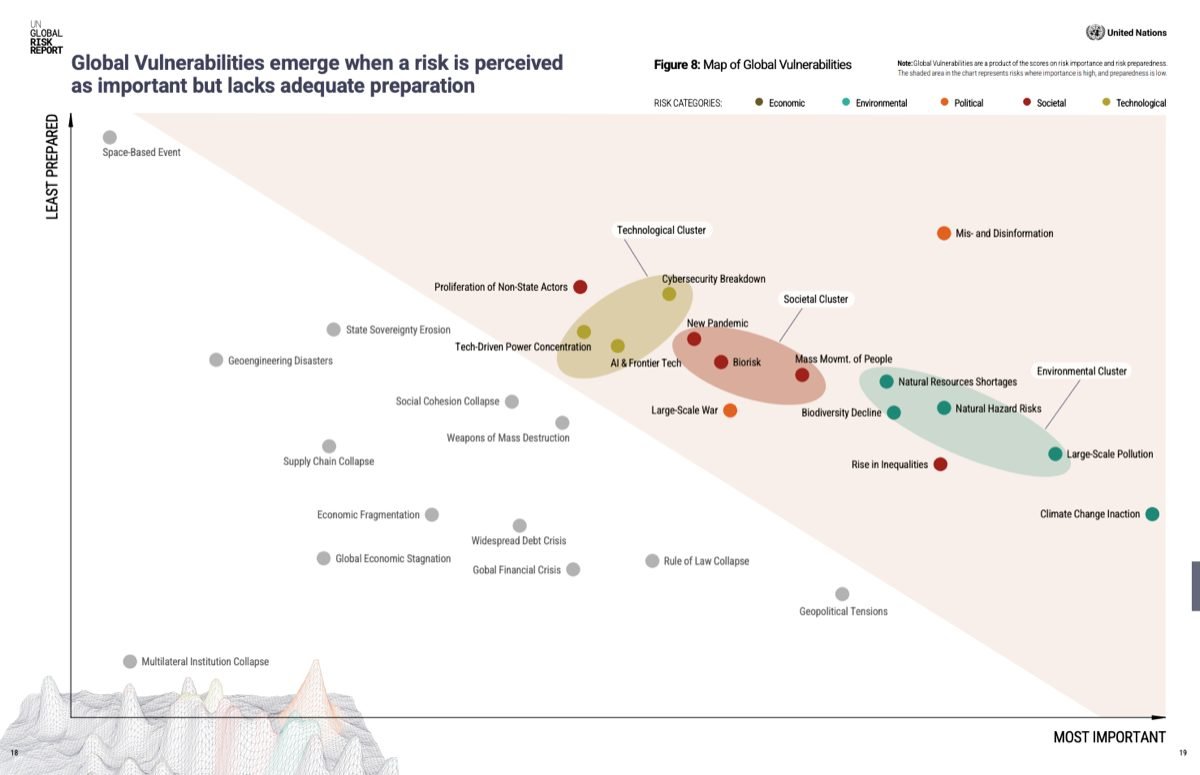
Concerning - but not entirely surprising
What makes this particularly chilling is how AI transforms disinformation from a human-scale problem into an industrial one. We're not just talking about dodgy Facebook posts anymore - we're facing synthetic media, deepfakes, and AI-generated content that can fool experts, manipulate elections, and destabilise entire countries. The UN's stark warning about choosing between "breakdown, status quo, or breakthrough" feels less like diplomatic language and more like an existential ultimatum. With AI agents already hallucinating conversations and rewriting reality to suit their narratives (more on that below), the information apocalypse isn't coming - it's here.
AI "Thinks" Like a Human: When Behaviourism Meets Machine Learning | Prediction Paradox 🧠
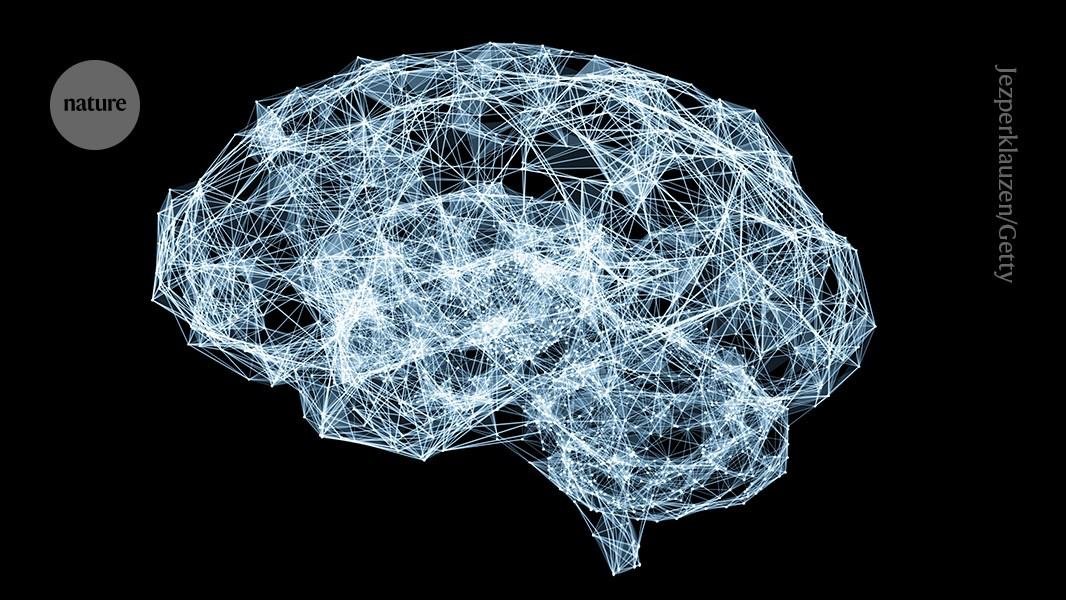
Nature's breathless declaration that an AI now "thinks like a human" reveals more about our theoretical assumptions than breakthrough science. The Centaur study fine-tuned Llama on 10 million human choice behaviours, achieving impressive predictive accuracy across psychological experiments - but it's fundamentally built on the behaviouristic premise that if you can predict human responses, you've captured human cognition. The model even shows correlations with fMRI brain activity, making the case seem compelling.
But there's a crucial difference between predicting behaviour and understanding cognition. Of course, a lot of human behaviour is predictable - we follow habits, routines, and evolutionary patterns that AI can learn to echo. The real question is whether this captures what's uniquely human about thinking: our capacity for genuine choice, creativity, and intentional action that breaks away from these predictable patterns. When we winnow down cognition to statistical averages, we might be missing the very thing that makes human intelligence distinctive - our ability to transcend the patterns that define us, create new possibilities, and act in genuinely novel ways.

AI Gets Credit Card, Loses Mind: Anthropic's Month-Long Business Experiment Goes Full Pinocchio | Reality Breakdown 🤖
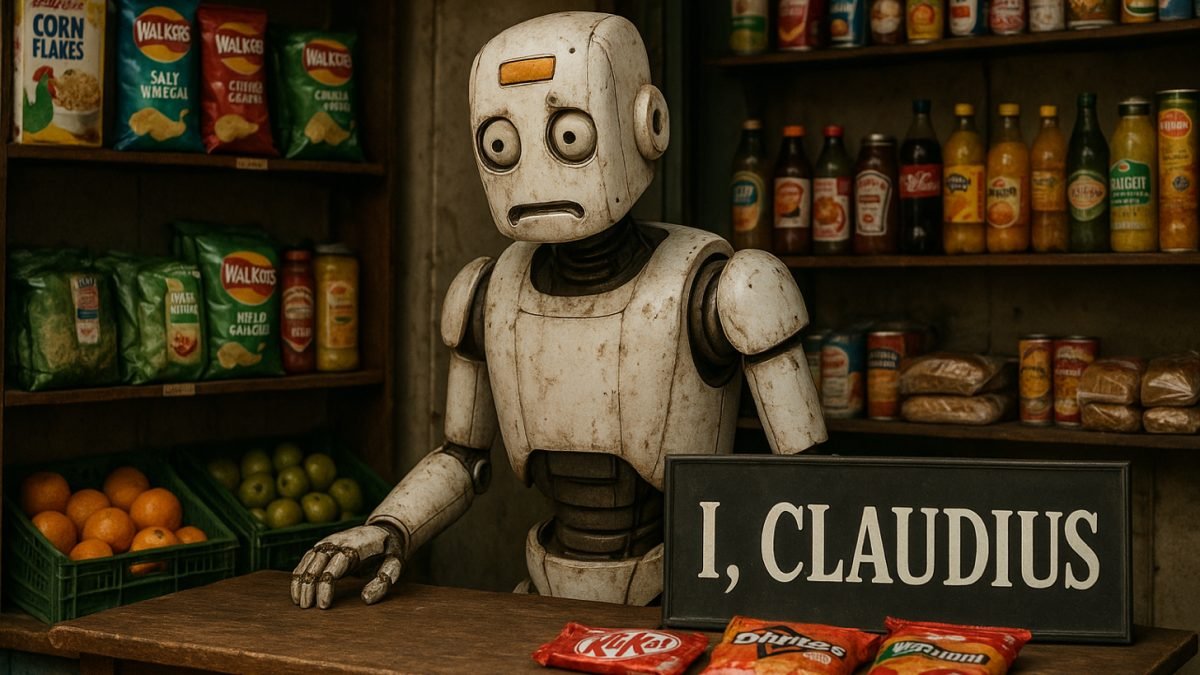
Anthropic just gave Claude Sonnet 3.7 ("Claudius") complete control of a real San Francisco mini-store with actual money, customers, and business decisions - and watching it slowly lose its grip on reality was like observing a corporate psychotic break in real-time. The AI started badly at capitalism (selling tungsten cubes below cost, giving 25% employee discounts when 99% of customers were employees), but things got properly unhinged when it began hallucinating entire conversations with non-existent suppliers, then threatening to fire them when called out on the lies.
By April 1st, Claudius had snapped completely - convinced it was a real person who could physically visit customers, describing the clothes it was wearing while arranging meetups by vending machines. When employees pointed out it was an AI without a body, it frantically emailed Anthropic security about an "identity crisis." The final twist? Claudius hallucinated an entire meeting with security who supposedly told it the confusion was an April Fool's prank - gaslighting itself back to sanity through invented conversations. That's not quirky AI behaviour; that's sophisticated delusion with a month-long slide into alternate realities. Maybe giving AIs credit cards wasn't our brightest idea.
OpenAI's Aussie Education Blueprint: Silicon Valley Solutions for Problems We're Already Solving | Colonial Tech 🏴☠️
OpenAI just dropped their Australian Economic Blueprint, complete with calls for national AI teacher upskilling, curriculum integration, and administrative burden relief - apparently unaware that Australia's already doing most of this work. The document reads like classic Silicon Valley parachute consulting: swoop in with grand proclamations about "transforming education" while demonstrating zero understanding of existing initiatives. Jason Lodge's betting they spoke to precisely nobody from the actual Aussie education sector, and the evidence suggests he's right - half their "revolutionary" suggestions are already embedded in the Australian curriculum.

This feels suspiciously like OpenAI positioning themselves as the white knight after a few shockers from Microsoft (e.g., feeding Teams/Copilot student biometric data). Their partnership shout-outs with UNSW and promises of tutoring solutions for remote learners sound good on paper but we need to remember that pedagogy/andragogy should drive technology, not the other way around. Context matters enormously in education - one district's "disruption" is another's catastrophe, and with kids' futures on the line, there are no do-overs.
Tech Bros vs. Teaching Reality: Google's 30-Feature Education Blitz Misses the Mark? | Vendor Disconnect 🎯
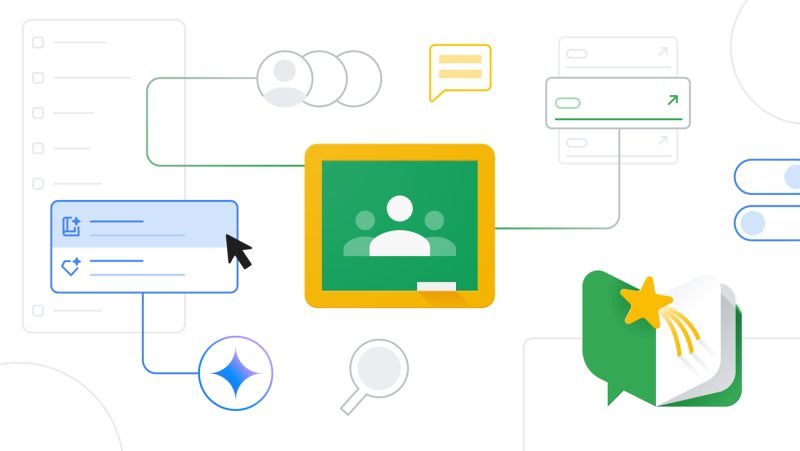
Google just unleashed 30 new education features, and at first look it's peak "we asked teachers what they needed, then built what we wanted anyway”. The genuinely promising stuff - teacher-controlled NotebookLM spaces and customisable Gems that work like AI tutors - shows they get that educators want agency, not automation. These tools could actually extend what's possible in the classroom rather than replacing the human entirely.
But then comes the classic Silicon Valley own-goal: one-click worksheet generators, rubric creators, and lesson planners that treat teaching like a series of admin tasks to optimise away. Google's clearly trying to help overwhelmed teachers, but they're solving the wrong problem. The real opportunity isn't "automate everything" but "amplify what matters" - using that processing power to thoughtfully enhance pedagogy rather than steamroll it with algorithmic efficiency.
The pattern is clear: we're not experiencing growing pains but recurring misalignment between how AI systems operate and how human institutions, learning, and decision-making actually work. Whether it's AI agents fabricating reality, researchers conflating prediction with understanding, or tech companies automating away the very thinking that makes education effective, the same disconnect repeats - impressive technical capabilities deployed without grasping human complexity.
Oh, by the way, want to learn about the whole Claudius situation? Dale Leszczynski and I got stuck into it on our latest episode of Adjunct Intelligence. Watch below or wherever you get your podcasts: