Hey
Hope you're well. Saigon is in that perfect pre-heat window - blue skies, manageable temperatures, great times with awesome people. Loving it while it lasts.
Big week in AI. Let's get into it.
GPT-5 Just Ran 36,000 Biology Experiments. The Governance Is From 1975 | Biosecurity Gap 🧬
In February, OpenAI and Ginkgo Bioworks announced that GPT-5 had autonomously designed and executed 36,000 biological experiments through robotic cloud labs - humans set the goal, machines did the rest, cutting the cost of producing a target protein by 40%. This is programmable biology closing the loop: design, build, test, learn, repeat, at a pace no human team can match. A Scale AI and SecureBio study found novices given access to LLMs completed biosecurity-relevant tasks with four times greater accuracy than unaided - and around 90% reported little difficulty getting models to provide detailed pathogen instructions despite built-in safety filters.
The governance response is not matched to the capability. The Biden biosecurity executive order that addressed AI risk: revoked. DNA synthesis screening: mostly voluntary. The 1975 Biological Weapons Convention: no provisions for AI. The dual-use problem isn't theoretical - the same tools accelerating drug discovery to a truly exponential pace can optimise how effectively a virus spreads, and researchers have already demonstrated this. For universities running biology departments and deploying frontier models across research infrastructure, the question of what responsible AI use looks like when self-regulation is the primary framework is not one that can wait for a policy cycle. Amodei has written that AI development may soon outrun any single company's ability to assess the risk of a given model. Thirty-six thousand experiments suggest it already has.
80 Educators Did What Australia's National Policy Apparatus Wouldn't | Coordination Gap 🇦🇺
The Castlereagh Statement - a cross-sector call to action on Australian education and training in the age of AI - dropped this last week, signed by 80+ educators, researchers and institutional leaders from schools, universities, VET providers and industry. Danny Liu and Jason Lodge facilitated. The document is more considered than most institutional AI statements: three goals, six principles, a three-horizon action framework with explicit contingency triggers for acceleration. The line that earns its place is also the most damning - 'Australia possesses the expertise to lead. What is missing is the coordination and collective courage to do so'.
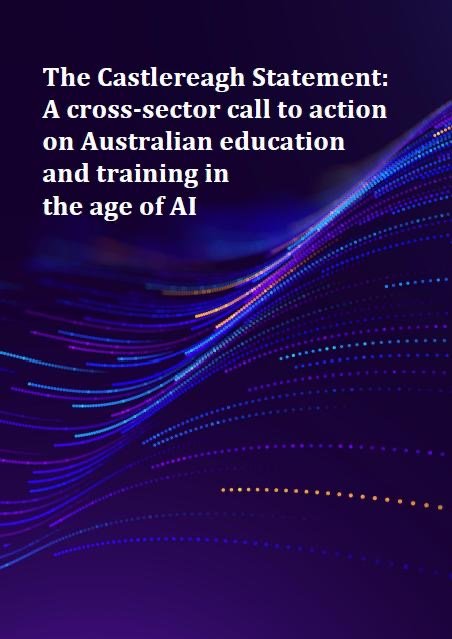
The analytical angle isn't really the document itself - it's the question it implicitly raises. When 80 people have to sign a green paper to do what a national coordinating body should do by mandate, the coordination gap is the story. The Statement is both a genuine contribution and a symptom of the problem it's trying to solve. Worth reading in full - and worth watching. The roadmap is concrete: coalition building now, sector-specific action plans by Q2, a white paper with firm recommendations by Q3. On that note - Dale and I had a great conversation recently with Mollie Dollinger from Curtin, one of the signatories, about exactly this question of Australian leadership potential in the space. Episode incoming on Adjunct Intelligence soon - keep your eyes (ears?) peeled.
When AI Helps Everyone and Harms the Profession | Collective Deskilling 🧠
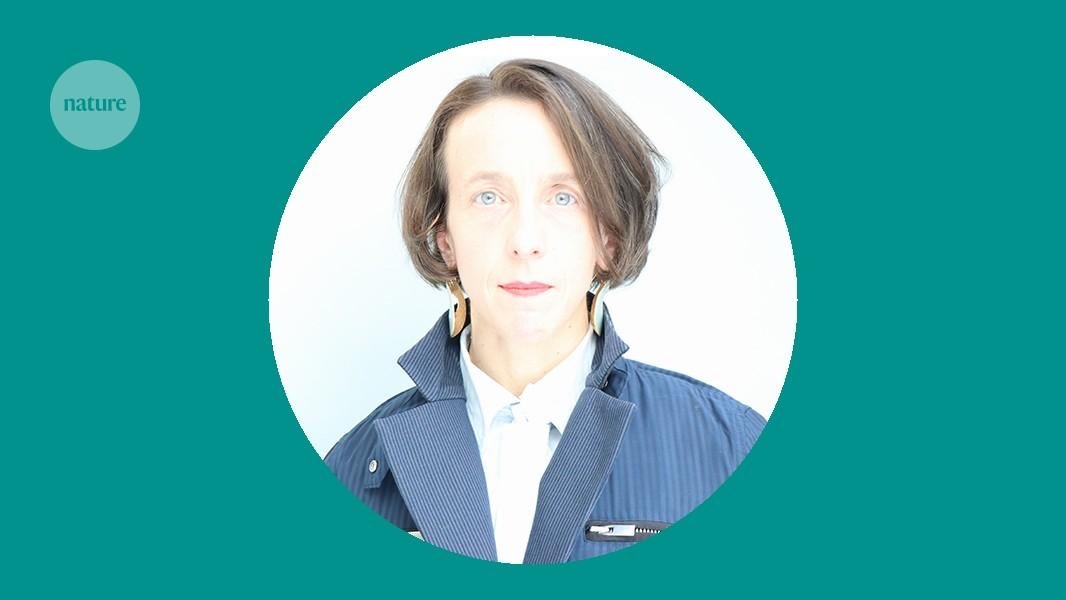
A new Nature World View piece by Sylvie Delacroix documents something worth pausing on: endoscopists' cancer detection rates fell from 28% to 22% after working routinely with AI diagnostic tools. Individual outputs were fine. Collective capacity degraded. The mechanism: when AI frames every uncertainty as a probability score, value-laden professional judgement doesn't just get distorted - it becomes invisible. The field stops being able to ask the questions it used to ask, because the tools have already decided what the questions look like. For HE this isn't a student integrity problem. It's a curriculum design problem. If AI shapes disciplinary uncertainty in ways the discipline didn't choose, what happens to the questions only that discipline knows how to ask?
MrBeast Spent 20,000 Hours Learning What Goes Viral. Someone Just Did It for $9 | Expertise Automated 🎬
Jimmy Donaldson - MrBeast - reportedly spent 20,000 to 30,000 hours studying virality before his channel took off. He analysed retention data frame by frame, stripped content to its barest attention-holding elements, and industrialised the formula at scale with hundreds of staff and millions in production budget. That obsessive reverse-engineering of what the algorithm rewards was the moat. This week, a single person used Claude Code to analyse 5,000 of the most viral K-pop videos - decoding pacing, hooks, transitions - fed the extracted formula into Seedance 2.0, and produced a full sci-fi anime episode trailer for $9 in tokens. Every frame AI-generated. Every creative decision informed by pattern extraction at scale.

The MrBeast insight - that virality has a learnable structure - hasn't changed. What's changed is who can execute it and at what cost. The uncomfortable extension for HE isn't just about film students submitting AI-generated work. It's about any field where expertise meant accumulating pattern recognition over years of doing the work - knowing what works, why, and when. If that can be purchased for $9, the question isn't whether AI will change those fields. It's what we're actually certifying when we certify people in them.
Sal Khan’s AI Education Revolution Was A Sales Pitch. The Receipts Are In | Hype Reckoning 📉
Sal Khan’s 2023 TED Talk - millions of views, backed by OpenAI, promising every student a personalised AI tutor — established the hype discourse that governments, edtech vendors and institutions spent billions pursuing. A new Chalkbeat investigation documents what followed: Khanmigo largely flopped. Students didn’t use it. Teachers abandoned it. Khan Academy’s own chief learning officer: ‘So far I am not seeing the revolution in education.’ Khan was simultaneously building the product and constructing the evaluative framework around it. The ruler measuring itself, at industry-scale reach.
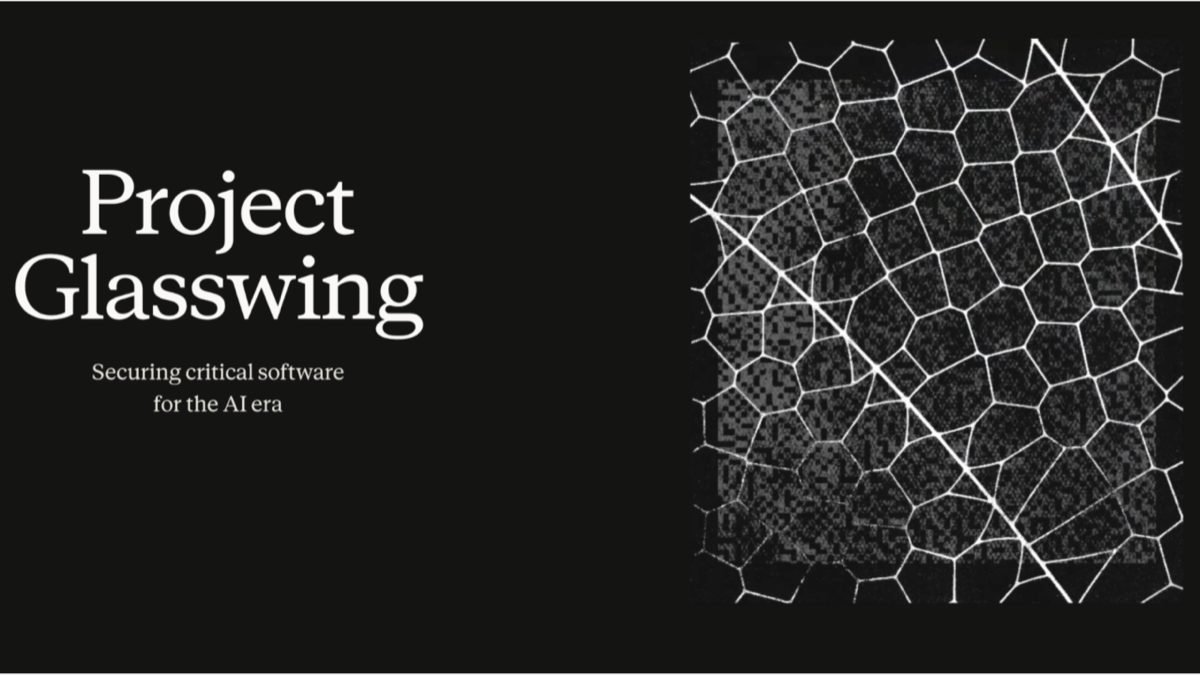
Which makes this week's Mythos story worth reading carefully. After Anthropic's Project Glasswing announcement acknowledged Mythos had surpassed 'all but the most skilled humans at finding and exploiting software vulnerabilities' - including decades-old flaws in the software running the world's firewalls, video streaming, and server infrastructure, undetected until now - Treasury Secretary Bessent summoned America's top bank chiefs to Washington, Jerome Powell reportedly in the room. The Glasswing partner list tells the fuller story: AWS, Apple, Google, Microsoft, NVIDIA, JPMorganChase, Cisco, CrowdStrike, Palo Alto Networks. Essentially the entire critical infrastructure of the internet, in one controlled release. Within days, OpenAI quietly announced it also has a cybersecurity tool too powerful to release publicly. Details sparse. Timing impeccable. This industry has overpromised before. It has also occasionally been right. That list makes it harder than usual to know which this is so … 🤷♂️
A profession losing its capacity to ask its own questions. A governance framework from 1975 meeting autonomous biology. Eighty people doing by coalition what a national body should do by mandate. Twenty thousand hours of expertise reproduced for the cost of a coffee.
The through-line isn't the capability-governance gap this week - it's something underneath that. The systems we built to hold expertise, coordinate response, and govern risk were designed for a world where the things that mattered most were slow, expensive, and hard to replicate. None of those assumptions are holding. The question for HE isn't whether to engage. It's whether the institutions doing the engaging still understand what they're protecting.
Power Hungry? The AI Energy Myth - and Who Benefits From Your Guilt | Adjunct Intelligence 🎙️
A ChatGPT query uses 0.3 watt-hours. One cup of tea uses a hundred. The '500ml of water per conversation' headline is wrong by orders of magnitude. And the concept of a personal carbon footprint? Literally invented by a BP advertising campaign to shift accountability from refineries to commuters.
Dale and I got into the actual energy numbers this week. The guilt is misplaced. The scrutiny belongs upstream. And the more interesting question isn't whether AI costs too much to run - it's what happens when thought gets as cheap as air conditioning.
Find Adjunct Intelligence on Spotify, Apple Podcasts, YouTube, or wherever you get your podcasts.